
Preventing wet boots on Kilimanjaro involves selecting the right waterproof footwear, using effective moisture-wicking socks, proper packing techniques, and proactive management of sweat and external moisture during the trek. This means investing in high-quality, broken-in waterproof boots, layering socks correctly, utilizing waterproof gaiters, and being diligent about drying gear whenever possible to ensure dry feet throughout your 2026 or 2027 climb.
The Critical Importance of Dry Feet on Kilimanjaro
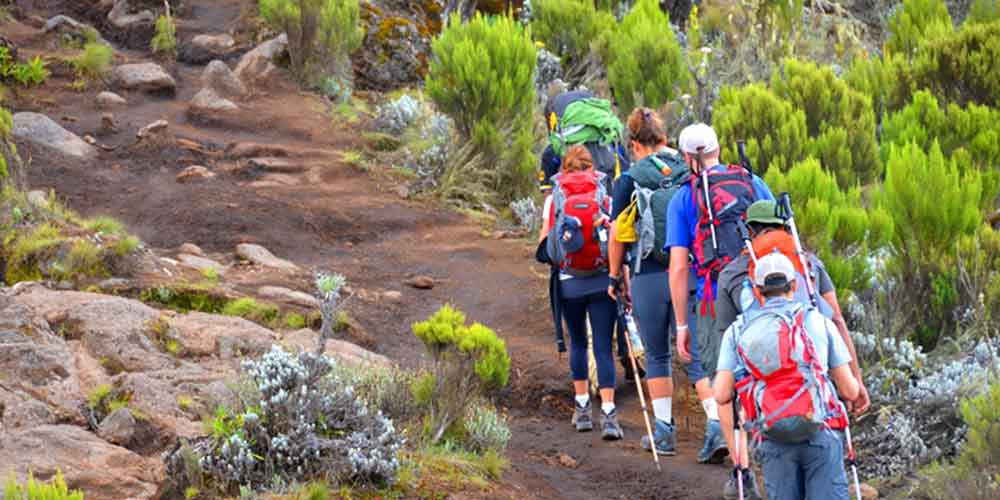
Climbing Kilimanjaro is an extraordinary adventure, a journey through diverse ecological zones culminating in the Roof of Africa. However, the mountain’s unpredictable weather and varied terrain can pose significant challenges, and one of the most common and potentially debilitating issues for trekkers is the problem of wet boots. Wet feet on Kilimanjaro are more than just uncomfortable; they can lead to serious problems like blisters, trench foot, hypothermia, and a significantly diminished trekking experience. For your 2026 or 2027 expedition, understanding how to prevent wet boots on Kilimanjaro is paramount to your comfort, health, and overall success.
The mountain presents a spectrum of conditions. You might start your trek in humid rainforests, ascend through misty cloud forests, traverse arid alpine deserts, and finally face the freezing temperatures of the arctic summit zone. Each environment has its own moisture risks. Rain and mud in the lower reaches, condensation and sweat higher up, and the extreme cold at the summit can all contribute to damp feet. Without proper preparation and on-trek strategies, your boots can become saturated, making every step a misery and increasing the risk of injury and illness. Top Guide Adventures understands these challenges intimately and provides this detailed guide to help you conquer Kilimanjaro with dry, happy feet.
Understanding the Sources of Wetness on Kilimanjaro
Before diving into solutions, it’s crucial to identify the various ways your feet can become wet on Kilimanjaro. Recognizing these sources is the first step in effectively preventing them. The mountain’s environment is dynamic, and moisture can come from several directions, both external and internal.
External Moisture Sources
- Rain and Snow: While Kilimanjaro is not typically a snow-capped mountain year-round, rain is common, especially during the wet seasons (April-May and November). Higher altitudes can also see sleet or even light snow, particularly at the summit. Heavy downpours can saturate your boots from the outside if they are not adequately waterproof.
- Mud and Puddles: The lower sections of the mountain, particularly the rainforest and moorland zones, can be muddy and slippery, especially after rain. You will inevitably encounter puddles and muddy patches that can splash water up into your boots, even with gaiters.
- River Crossings: Some routes, like the Marangu route, involve short river crossings. While guides often set up temporary bridges, there’s always a risk of slipping or water seeping into your footwear.
- Dew and Condensation: In the mornings, especially in the cloud forest zones, heavy dew can settle on vegetation and equipment. If you brush against wet foliage, moisture can transfer to your boots and trousers.
Internal Moisture Sources
- Sweat: This is arguably the most significant and persistent source of internal moisture. Your body works hard to regulate temperature during strenuous climbs. Feet, with their high concentration of sweat glands, can produce a considerable amount of perspiration. Even in cold conditions, the physical exertion of climbing can lead to very sweaty feet. If this sweat isn’t wicked away effectively, it saturates your socks and can make your boots feel damp from the inside out.
- Inadequate Ventilation: Boots that are not breathable, or socks that trap moisture, will prevent sweat from evaporating. This trapped moisture then contributes to a damp internal environment within your boots.
Choosing the Right Footwear: Your First Line of Defense
The foundation of preventing wet boots on Kilimanjaro lies in selecting the correct footwear. This is not an area to compromise on. Your boots are your primary interface with the mountain, and their performance directly impacts your comfort and safety.
Waterproof vs. Water-Resistant Boots
For Kilimanjaro, waterproof boots are essential. Water-resistant boots might keep out light splashes for a while, but they will eventually soak through under the conditions you’ll face. Look for boots with a waterproof and breathable membrane, such as Gore-Tex (GTX) or similar technologies. This membrane allows perspiration vapor to escape while preventing liquid water from entering.
Key Features of Kilimanjaro Boots
- Ankle Support: High-cut boots are recommended. They provide crucial ankle support on uneven terrain and help prevent twists and sprains. They also offer a higher barrier against splashes and mud.
- Sturdy Sole: A robust, lugged sole (like Vibram) offers excellent traction on varied surfaces, from slippery mud to rocky scree, reducing the risk of slips that could lead to water ingress.
- Durability and Construction: Boots should be well-constructed, ideally from full-grain leather or durable synthetic materials. Look for quality stitching and sealed seams.
- Insulation: While not heavily insulated, boots should offer some warmth, especially for the summit night. However, excessive insulation can lead to overheating and increased sweating on lower, warmer sections.
The Importance of Breaking In Your Boots
This cannot be stressed enough: never wear brand-new boots on Kilimanjaro. New boots, even high-quality ones, can be stiff and prone to causing blisters. More importantly for our topic, they may not have fully conformed to your feet or tested their waterproofing under stress. You must break in your boots thoroughly before your trek. Wear them on progressively longer hikes, on varied terrain, and in different weather conditions. This process helps:
- Mold the boots to your feet, reducing pressure points and the risk of blisters.
- Test the waterproofing and identify any potential weak spots.
- Ensure the materials are supple and comfortable for extended wear.
A good rule of thumb is to wear your boots for at least 50-100 miles before your Kilimanjaro climb. If you plan to climb in 2026 or 2027, start this process well in advance.
Considerations for Boot Fit
A proper fit is critical for both comfort and preventing wetness. Your boots should be snug but not tight. You should have enough room to wiggle your toes, especially when wearing your trekking socks. When descending, your toes should not jam into the front of the boot. This can be managed by lacing techniques and ensuring the boot’s volume matches your foot’s volume. Trying on boots at the end of the day, when your feet are slightly swollen, can provide a more accurate fit.
Boot Alternatives: Trail Shoes vs. Boots
While sturdy, high-cut boots are generally recommended for Kilimanjaro, some trekkers opt for very robust, waterproof trail running shoes, especially on routes with less technical terrain. However, these offer less ankle support and a lower barrier against external moisture. If considering trail shoes, ensure they are genuinely waterproof (e.g., Gore-Tex) and have aggressive tread. For most climbers, especially first-timers planning a 2026 or 2027 ascent, traditional hiking boots remain the safer and more reliable choice for preventing wet boots on Kilimanjaro.
The Role of Socks: Your Second Layer of Defense
Socks are often overlooked but play a vital role in managing moisture and preventing blisters. The right socks can wick sweat away from your skin, keeping your feet drier and more comfortable, even if your boots are facing external moisture.
Material Matters: Avoid Cotton!
The golden rule of trekking socks: Never wear cotton. Cotton absorbs moisture and holds onto it, turning your socks into a damp, clammy layer that leads to chafing, blisters, and cold feet. Instead, opt for socks made from:
- Merino Wool: This is the preferred material for most trekkers. Merino wool is naturally moisture-wicking, breathable, odor-resistant, and insulates even when damp. It provides excellent comfort and temperature regulation.
- Synthetic Blends: High-quality synthetic socks (e.g., polyester, nylon, CoolMax) are also excellent at wicking moisture away and drying quickly.
Layering Your Socks
A highly effective strategy for preventing wet boots on Kilimanjaro is to use a two-layer sock system:
- Liner Socks: These are thin, snug-fitting socks worn directly against your skin. Their primary job is to wick moisture away from your skin and transfer it to the outer sock. They also help reduce friction, preventing blisters. Opt for synthetic or thin merino wool liner socks.
- Outer Socks: These are thicker, cushioned socks worn over the liner socks. They absorb the moisture wicked by the liner, provide cushioning, and offer insulation. Choose mid-weight to heavy-weight merino wool or synthetic trekking socks for your outer layer.
This layering system ensures that sweat is drawn away from your skin efficiently. The outer sock can then manage the moisture, and the slight movement between the layers can help reduce friction on your skin.
Sock Thickness and Fit
The thickness of your socks should complement your boots. If your boots fit snugly with one pair of socks, adding a second, thicker pair might make them too tight, hindering circulation and increasing sweat. Experiment during your boot-breaking-in period to find the combination that provides comfort, cushioning, and adequate space within your boots. Having a few pairs of clean, dry socks for each day of your trek is crucial.
Carrying Spare Socks
Always carry several pairs of clean, dry socks in your daypack. If your feet start to feel damp during the day, even if it’s not raining, stop for a break, take off your boots, and change into a dry pair of socks. This simple act can make a significant difference in preventing blisters and maintaining comfort. For a multi-day trek in 2026 or 2027, plan to have at least one pair of clean socks per day, plus a few extra.
Gaiters: An Essential Accessory for Wet Conditions
Gaiters are fabric coverings that extend from the top of your boots up to your mid-calf. They are an indispensable accessory for anyone looking to prevent wet boots on Kilimanjaro, particularly in muddy, rainy, or snowy conditions.
How Gaiters Work
- Prevent Debris Entry: They form a seal around the top of your boots, preventing mud, small stones, dirt, and water from entering from the top.
- Protect Trousers: Gaiters also protect your trouser legs from mud splashes and keep them drier.
- Add Warmth: In colder conditions, they can provide an extra layer of insulation around your lower legs.
Choosing and Using Gaiters
Opt for waterproof and breathable gaiters. They should be comfortable to wear and easy to secure around your boots and legs. Ensure they are compatible with your boots. When hiking, secure them properly. Many gaiters have a strap that goes under your boot sole, a hook for your laces, and a buckle or drawstring at the top to cinch them around your calf.
Gaiters are particularly valuable during the initial stages of the trek through the rainforest and moorland, where mud and puddles are common. They are also useful on the scree slopes of the Barranco Wall and during the descent, where loose rock and dust can enter your boots.
On-Trek Strategies for Managing Foot Moisture
Even with the best gear, proactive management of moisture during the trek is key to preventing wet boots on Kilimanjaro. This involves mindful practices and regular checks.
Regular Boot Checks and Maintenance
Periodically check your boots for any signs of wear or damage, especially around seams and the waterproofing membrane. If you notice any leaks during your break-in period, address them before your climb. For treks booked for 2026 or 2027, ensure your boots are in excellent condition.
Lacing Techniques
Proper lacing can significantly impact comfort and prevent water ingress. Ensure your boots are laced snugly enough to provide support but not so tight that they restrict circulation, which can increase sweating. Some trekkers use a heel-locking lacing technique to prevent their heel from slipping, which can cause blisters and discomfort.
Dealing with Sweat
As mentioned, sweat is a major contributor to dampness. The two-layer sock system is your primary defense. However, during breaks, especially on warmer days or during strenuous ascents, take a moment to:
- Air Out Your Feet: If conditions permit (e.g., during lunch breaks or at camp), briefly remove your boots and socks to allow your feet to air dry. Even a few minutes can make a difference.
- Wipe Down Your Feet: Use a small towel or bandana to wipe away excess sweat from your feet and between your toes.
Drying Boots at Camp
This is a critical daily ritual. As soon as you arrive at camp:
- Remove Boots: Take off your boots immediately.
- Air Them Out: If the weather is dry and sunny, place your boots in a well-ventilated spot to dry. Avoid direct, intense sun for prolonged periods, as it can damage leather.
- Remove Insoles: If possible, remove the insoles to allow the interior of the boot to dry more effectively.
- Stuff with Newspaper: If your boots are damp from the inside (sweat), stuff them loosely with newspaper or absorbent cloths overnight. The paper will absorb moisture. Change the paper periodically if it becomes saturated.
- Dry Socks: Hang your damp socks to dry, either inside your tent or outside if conditions are favorable. Always try to put on dry socks in the morning.
Top Guide Adventures emphasizes the importance of this routine. Our guides are experienced in helping trekkers manage their gear, including ensuring boots and socks are as dry as possible each night. This diligence is crucial for preventing wet boots on Kilimanjaro.
Protecting Against External Water
- Waterproof Boot Covers/Socks: For extreme conditions or if your boots’ waterproofing is suspect, consider waterproof over-boots or waterproof socks (like those from Sealskinz). These add an extra layer of protection but can sometimes reduce breathability, so use them judiciously.
- Waterproof Trousers: Wearing waterproof and breathable overtrousers, especially during rainy periods, will help prevent water from running down your legs and into your boots.
Packing for Success: What to Bring
Smart packing ensures you have the necessary items to combat moisture and keep your feet dry. Beyond the boots and socks, consider these items:
- Multiple Pairs of Socks: As mentioned, bring at least one pair per trekking day, plus extras. For a 7-day climb, aim for 8-10 pairs.
- Liner Socks: 3-4 pairs.
- Waterproof Gaiters: Essential.
- Small Towel/Bandana: For wiping feet and socks.
- Plastic Bags/Dry Bags: Useful for storing damp socks or other gear, preventing moisture from spreading. Also good for protecting spare socks within your main pack.
- Optional: Waterproof Boot Covers/Oversocks.
When packing your main duffel bag, ensure your spare socks and any essential moisture-management items are easily accessible. For items you need during the day, keep them in your daypack.
Kilimanjaro Foot Care Checklist
- Waterproof, broken-in hiking boots: High-cut, with good ankle support and traction.
- Merino wool or synthetic liner socks: 3-4 pairs.
- Merino wool or synthetic outer socks: Mid-weight to heavy-weight, 1 pair per trekking day + extras (8-10 pairs total for a typical climb).
- Waterproof gaiters: Essential for preventing debris and water entry.
- Waterproof/breathable overtrousers: Recommended for rainy conditions.
- Small, quick-drying towel or bandana: For foot hygiene.
- Plastic bags or dry bags: For storing damp items.
- Blister treatment kit: Including medical tape, moleskin, and antiseptic wipes.
- Foot powder (optional): Can help absorb sweat.
Summit Night: The Ultimate Test for Your Feet
Summit night is the most challenging part of the Kilimanjaro climb. You’ll be trekking through the night, often in extreme cold (well below freezing), with strong winds. Preventing wet boots on Kilimanjaro during summit night requires specific considerations.
- Extreme Cold: The primary concern is keeping your feet warm enough to prevent frostbite. Your boots, while waterproof, might not be insulated enough for these conditions on their own.
- Layering is Key: Use your warmest merino wool socks. Some trekkers opt for heavier summit socks. Ensure your lacing isn’t too tight, as this restricts blood flow, leading to cold feet.
- Boot Insulation: Consider bringing insulated waterproof overboots or neoprene covers specifically for summit night if you are particularly prone to cold feet.
- Hand Warmers/Toe Warmers: Placing chemical warmers inside your boots (ensure they don’t make your boots too tight) can provide crucial extra warmth.
- Preventing Freezing: If your boots get damp from sweat before the extreme cold hits, they can freeze, making them rigid and incredibly uncomfortable. This is why managing sweat during the day and ensuring boots are as dry as possible before summit night is vital.
Our guides will advise you on the best strategies for summit night, ensuring you are prepared for the extreme conditions and have the best chance of reaching Uhuru Peak with functional, warm feet.
Dealing with Blisters and Foot Problems
Despite best efforts, blisters can still occur. Early detection and treatment are crucial to prevent them from escalating and potentially forcing you off the mountain. Knowing how to prevent wet boots on Kilimanjaro also includes knowing how to manage the consequences of dampness.
- Daily Foot Checks: At the end of each day, and during breaks, inspect your feet. Look for red spots, hot spots, or any signs of irritation.
- Immediate Action: If you feel a hot spot, stop immediately. Clean the area, apply moleskin or blister tape, and address the cause (e.g., change socks, adjust lacing, check boot fit). Don’t wait for it to become a full blister.
- Keep Feet Clean and Dry: Wash your feet with water (if available) and dry them thoroughly. Apply foot powder if you tend to sweat a lot.
- Carry a First-Aid Kit: Ensure your personal kit includes blister treatment supplies. Your guide will also have a comprehensive first-aid kit.
Top Guide Adventures’ Commitment to Your Comfort
At Top Guide Adventures, we recognize that comfortable feet are essential for an enjoyable and successful Kilimanjaro climb. Our experienced guides are trained to assist you with foot care throughout your trek. They can offer advice on sock changes, boot care, and blister prevention and treatment. We ensure our clients are well-informed about the importance of proper gear and preparation, including how to prevent wet boots on Kilimanjaro.
When you book your 2026 or 2027 Kilimanjaro adventure with us, you benefit from our deep knowledge of the mountain and its challenges. We provide comprehensive pre-trek information to help you prepare adequately. Our team is dedicated to your well-being, from the moment you book until you reach the summit and return safely.
Planning your Kilimanjaro climb for 2026 or 2027? Don’t let wet boots dampen your spirit. Proper preparation, the right gear, and diligent on-trek care are your keys to success. For personalized advice and to arrange your unforgettable Kilimanjaro experience, contact Top Guide Adventures.
Reach out to us for a tailor-made itinerary or to join one of our scheduled group departures:
- WhatsApp: +255616946642
- Email: topguideadventures@gmail.com
- Backup Email: info@topguideadventures.com
We look forward to helping you achieve your Kilimanjaro dream with comfort and confidence. Explore our Machame Route group departures and other Tanzania adventure dates for 2026 and 2027.
Check Availability for How To Prevent Wet Boots On Kilimanjaro: A Comprehensive Guide For Trekkers
Ready to compare dates, prices, and the best option for your group? Send the package name and travel month so the team can reply with a clear quote, availability, and what is included.
Kilimanjaro Family Trip: Climbing And Non-Climbing Options For 2026-2027
Organizing a Kilimanjaro family trip requires careful planning to accommodate varying interests and abilities, ensuring everyone has a memorable experience. This guide covers options for...
View package details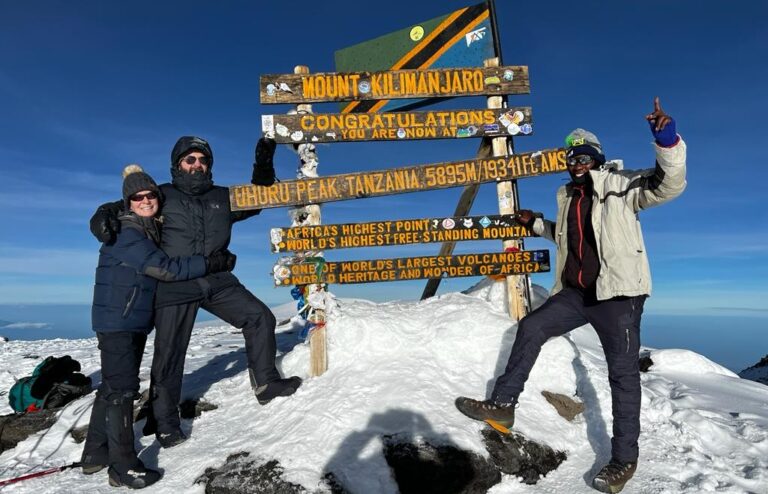
Kilimanjaro Scenic Experience Without Summiting: Best Views & Treks 2026-2027
Experience the majestic beauty of Mount Kilimanjaro without the demanding summit climb. This guide details the best scenic viewpoints, lower-altitude treks, and unique natural wonders...
View package details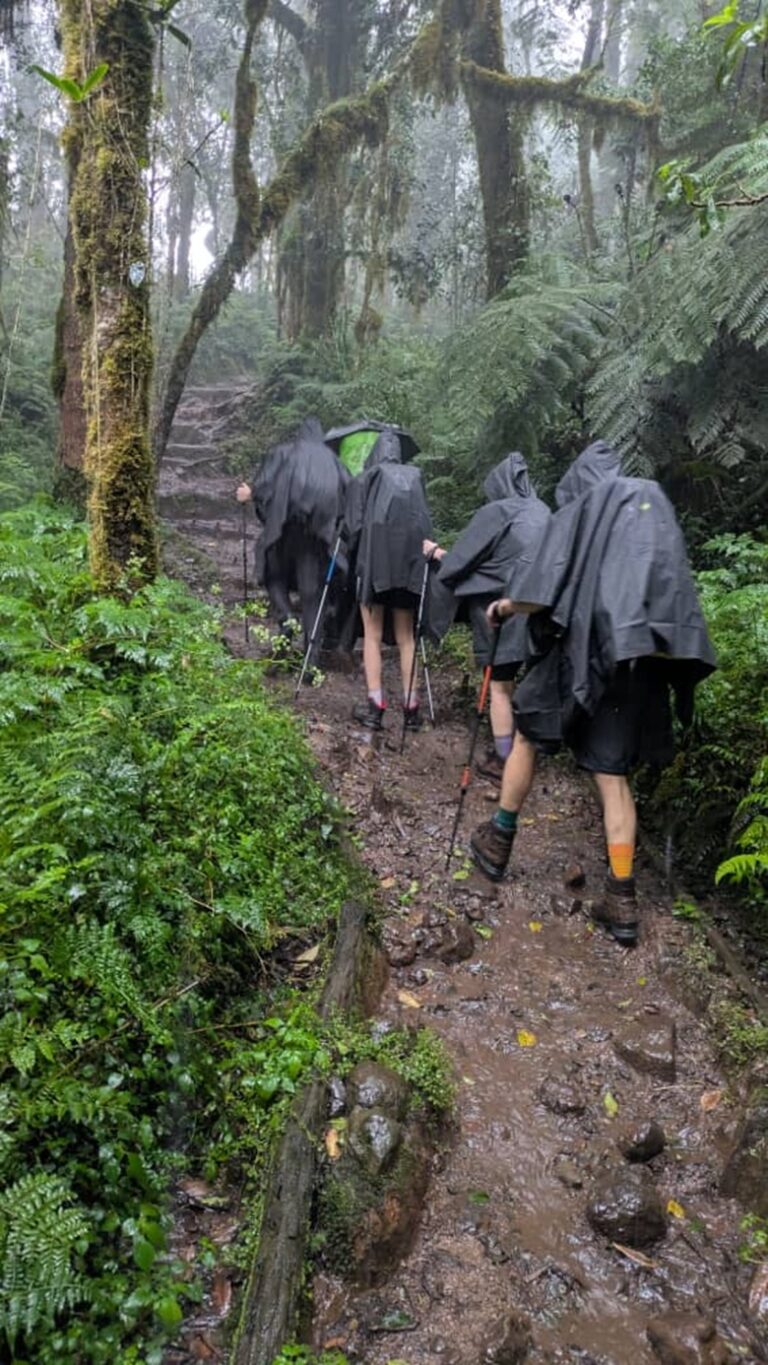
Kilimanjaro Foothills Tour For Non-Climbers: Experience The Majesty Without
Explore the impressive Kilimanjaro foothills on a specialized tour designed for those who prefer to experience the mountain's grandeur without undertaking a strenuous climb. Discover local...
View package detailsCan A Wheelchair User Experience Kilimanjaro? A Deep Dive By Top Guide
While a traditional ascent of Mount Kilimanjaro is not feasible for wheelchair users, adapted experiences and alternative ways to 'conquer' the mountain are increasingly possible. This...
View package details
Kilimanjaro Accessibility Planning Guide For Climbs 2026-2027
This comprehensive guide details essential planning for Kilimanjaro accessibility, covering route selection, physical and mental preparation, gear, acclimatization strategies, and...
View package details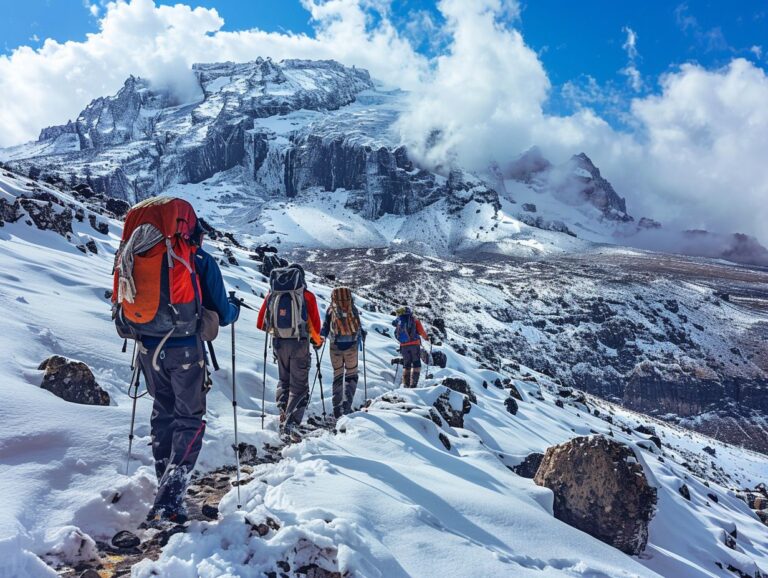
Slow-Paced Inclusive Kilimanjaro Expedition For 2026-2027
start a Kilimanjaro climb designed for a slower pace and maximum inclusivity. Our expeditions prioritize acclimatization, comfort, and personalized support for trekkers of all abilities...
View package details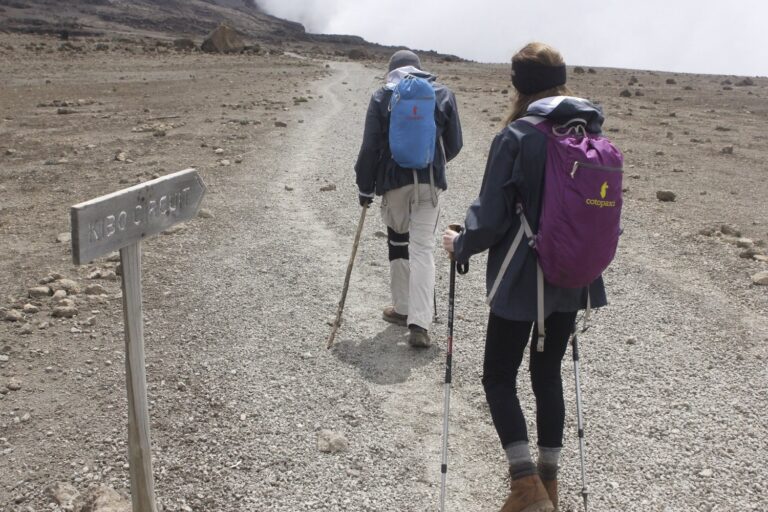
Kilimanjaro Climb For Travellers With Chronic Conditions: Your Expert Guide
Climbing Mount Kilimanjaro with a chronic condition is achievable with meticulous planning and the right guidance. This comprehensive guide addresses the unique considerations for travelers...
View package details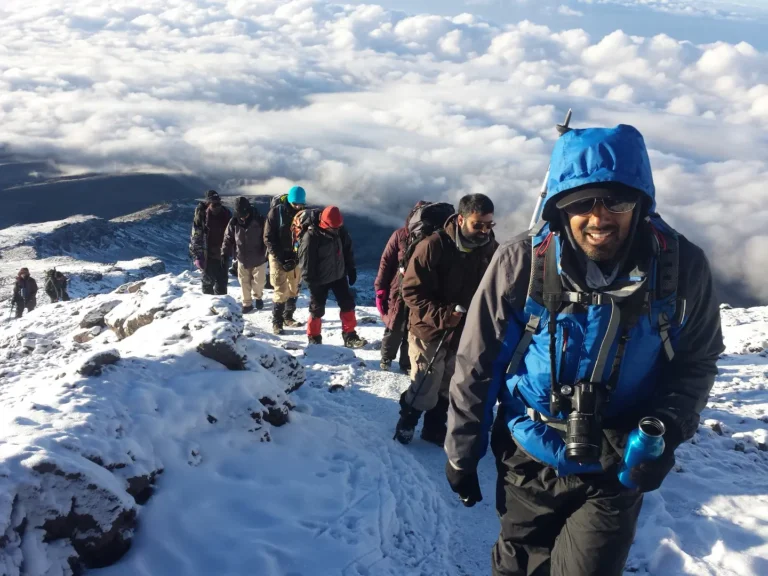
Kilimanjaro Climb For Cancer Survivors: A Journey Of Resilience In 2026-2027
A Kilimanjaro climb offers a profound challenge and a symbol of triumph for cancer survivors. This guide details how to prepare, choose routes, and find the right support for an...
View package detailsKilimanjaro Climb With A Prosthetic Limb 2026-2027
Kilimanjaro Climb with a Prosthetic Limb is explained with current 2026-2027 planning, price, itinerary and booking information.
View package details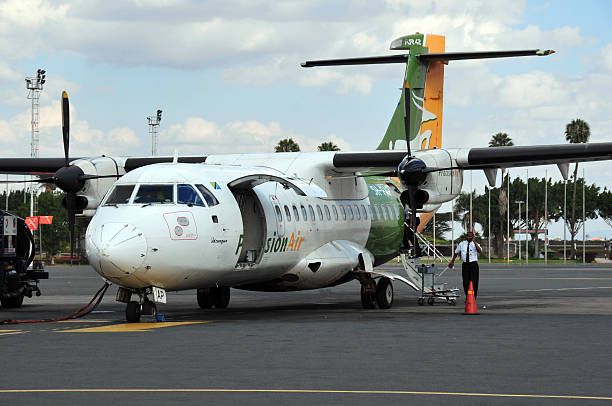
Kilimanjaro Climb After Knee Surgery: Your Expert Guide For 2026-2027
Considering a Kilimanjaro climb after knee surgery? This comprehensive guide details the feasibility, preparation, risks, and essential considerations for undertaking this ambitious trek in...
View package details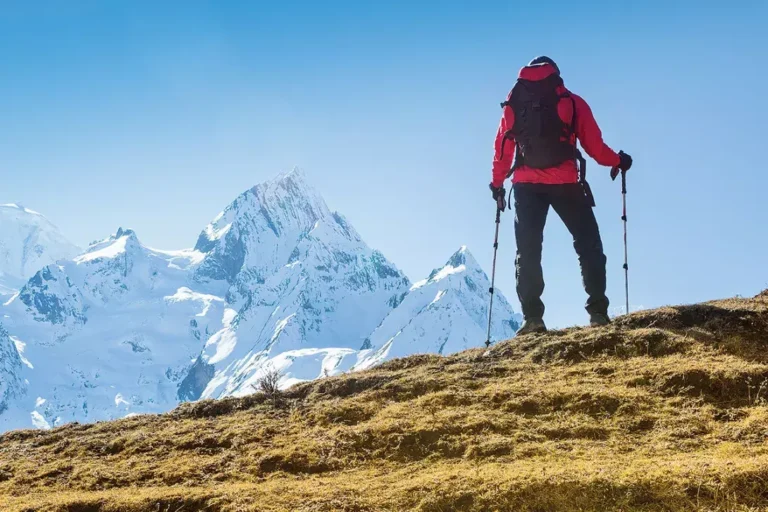
Kilimanjaro Climb With A Sign-Language Interpreter 2026-2027
Kilimanjaro Climb with a Sign-Language Interpreter is explained with current 2026-2027 planning, price, itinerary and booking information.
View package details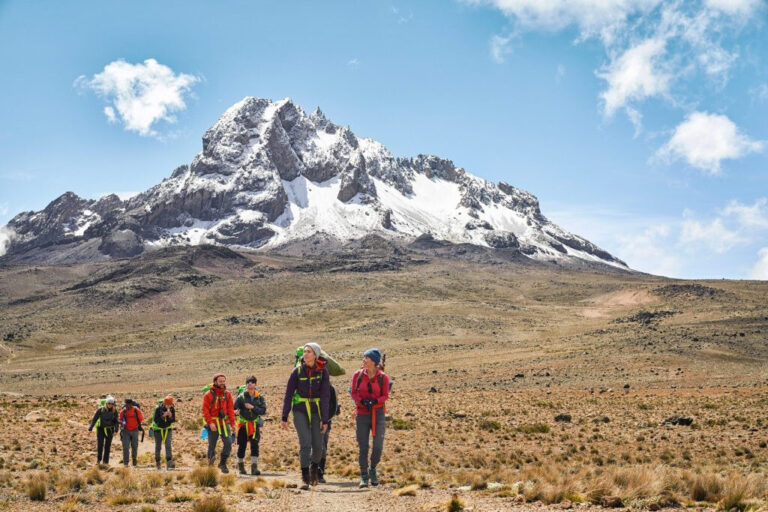
Adaptive Kilimanjaro Climbing Expeditions 2026-2027
Adaptive Kilimanjaro Climbing Expeditions is explained with current 2026-2027 planning, price, itinerary and booking information.
View package detailsNo related package matches those filters. Clear one or more filters to see the other topic-matched options.



