
For teenagers planning a Kilimanjaro climb in 2026 or 2027, the Machame Route and the Lemosho Route are generally considered the best options due to their excellent acclimatization profiles, higher success rates, and overall scenic beauty, offering a more rewarding and safer experience for younger adventurers compared to shorter, steeper routes. While the Marangu route is an option, its rapid ascent can be challenging for younger bodies.
Choosing the Right Kilimanjaro Route for Young Climbers in 2026-2027
Mount Kilimanjaro, the Roof of Africa, is a dream destination for many, and for teenagers, it represents an extraordinary challenge and a life-changing adventure. At Top Guide Adventures, we understand that selecting the best Kilimanjaro route for teenagers involves more than just picking the shortest path. It requires careful consideration of factors like acclimatization, trek duration, scenery, accommodation, and, most importantly, safety. Our experience with families and younger climbers in 2026 and 2027 has shown that routes offering a gradual ascent and sufficient time for the body to adapt to the altitude are paramount for success and enjoyment.
This guide will break down the most popular Kilimanjaro routes, evaluating each specifically through the lens of a teenage climber. We’ll look at what makes a route suitable for younger individuals, considering their energy levels, recovery, and psychological preparedness. By the end, you’ll have a clear understanding of which route aligns best with your family’s goals for an unforgettable 2026-2027 Kilimanjaro expedition.
Understanding Key Factors for Teen Trekkers
Before we look at specific routes, let’s establish what makes a Kilimanjaro climb different, and potentially more challenging, for teenagers. While physically capable, young climbers might have different physiological responses to altitude, require more recovery time, and benefit from a more structured and supportive trekking experience. Top Guide Adventures prioritizes these aspects in all our 2026-2027 itineraries for younger adventurers.
- Acclimatization: This is the single most critical factor for any Kilimanjaro climb, but especially for teenagers. A slower ascent allows the body to produce more red blood cells, which carry oxygen. Routes with a longer duration (7 days or more) typically offer better acclimatization.
- Route Difficulty and Scenery: While all Kilimanjaro routes are challenging, some have steeper ascents or more technical sections. For teenagers, a route that balances challenge with enjoyment, offering diverse and stunning scenery, can be more motivating.
- Accommodation: Some routes offer camping, while others include hut accommodation. For teenagers, the comfort and warmth of huts (like on the Marangu route) can be appealing, but camping offers a more in-depth wilderness experience.
- Success Rates: Longer routes with better acclimatization naturally have higher success rates. This is crucial for building confidence and ensuring a positive experience for young climbers.
- Group vs. Private Climbs: While group climbs can be fun, a private climb with family or friends offers more flexibility and personalized support, which can be beneficial for teenagers. Top Guide Adventures specializes in tailoring these experiences.
- Age Restrictions and Policies: While there’s no official minimum age for Kilimanjaro, many tour operators have guidelines. We recommend a minimum age of 10-12 years old for Kilimanjaro, with younger children considered on a case-by-case basis, especially for shorter treks.
The Top Contenders: Best Kilimanjaro Routes for Teenagers
Based on our extensive experience and understanding of the Kilimanjaro climbing environment, particularly for younger trekkers planning for 2026-2027, a few routes stand out. These routes balance the physical demands with the crucial element of acclimatization, leading to higher success rates and a more enjoyable journey.
1. Machame Route: The Popular Choice for Balanced Acclimatization
Often called the “Whiskey Route” by guides (though we prefer to stick to water and tea!), the Machame Route is arguably the most popular Kilimanjaro route, and for good reason, especially for teenagers. It offers a fantastic balance of scenic beauty, challenging trekking, and crucially, good acclimatization. It is typically trekked over 6 or 7 days, with the 7-day option being strongly recommended for younger climbers to maximize acclimatization and reduce fatigue.
Why Machame is Great for Teenagers:
- Excellent Acclimatization Profile: Machame follows the “climb high, sleep low” principle effectively, particularly on the 7-day itinerary. This gradual ascent significantly increases the chances of successful acclimatization, a vital aspect for teenagers.
- High Success Rate: Due to its good acclimatization and longer duration options, Machame boasts one of the highest success rates among Kilimanjaro routes.
- Stunning Scenery: The route traverses diverse ecosystems, from rainforest to alpine desert and arctic zones, offering spectacular views, including the famous Barranco Wall (which is a fun scramble, not a technical climb, for teens).
- Camping Experience: Machame is a camping route, allowing for a true wilderness experience under the stars. This can be incredibly exciting and memorable for teenagers. Top Guide Adventures ensures comfortable camping setups.
- Logical Progression: The trek’s layout generally leads to a more comfortable and progressive climb, reducing the risk of altitude sickness.
Considerations for Machame Route:
- It is a camping route, so if hut accommodation is a must, this isn’t the one.
- It can be busy, especially during peak seasons in 2026 and 2027.
- The Barranco Wall, while exciting, requires a bit of scrambling and might be intimidating for some very young or less adventurous teens.
Top Guide Adventures Recommendation for 2026-2027: We strongly advocate for the 7-day Machame Route for teenagers. This extra day is invaluable for acclimatization and allows for a more relaxed pace, reducing pressure on young bodies and minds.
2. Lemosho Route: The Most Scenic and Best Acclimatization
The Lemosho Route is often lauded as the most beautiful Kilimanjaro route, and it also offers superb acclimatization, making it an excellent choice for teenagers looking for a memorable and successful climb in 2026-2027. It’s longer than Machame, typically taking 7, 8, or even 9 days. The 8-day itinerary is particularly well-suited for younger climbers.
Why Lemosho is Great for Teenagers:
- Superior Acclimatization: Lemosho offers the longest trekking days and the best “climb high, sleep low” acclimatization profile. This significantly reduces the risk of altitude sickness, a major concern for teenagers.
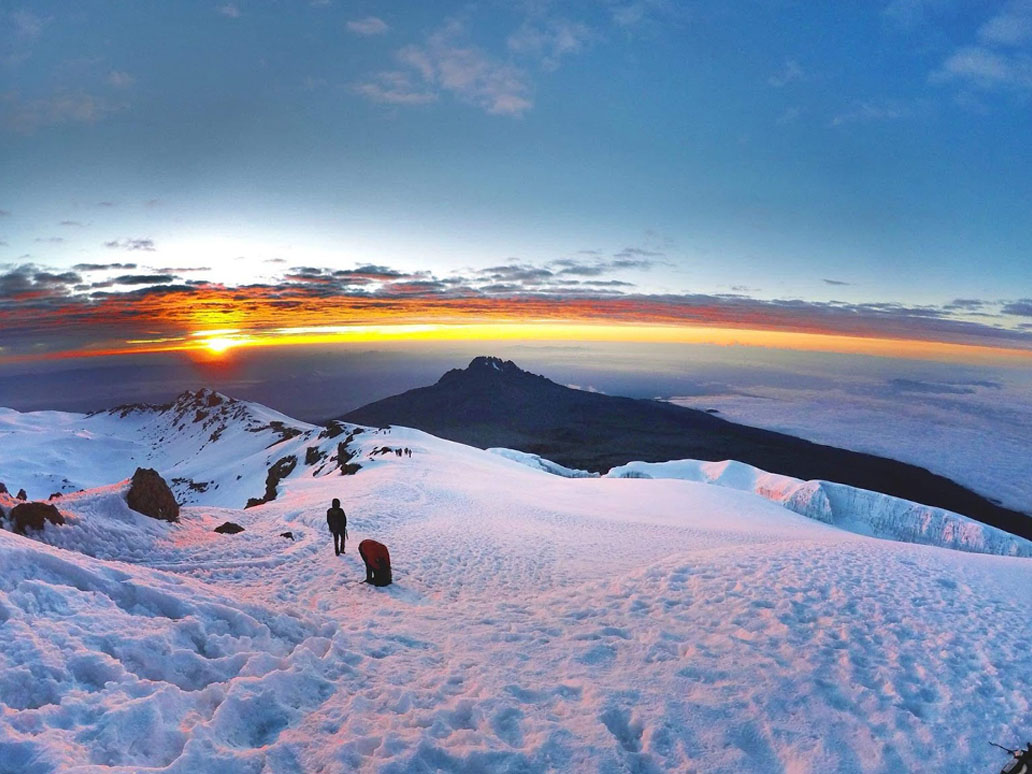
- Exceptional Scenery: Starting in the west, Lemosho offers impressive views of the rainforest, moorland, and alpine desert. It circles the mountain, providing diverse vistas, including the Shira Plateau and views towards Mount Meru.
- Lower Foot Traffic (Initially): The initial days on Lemosho are less crowded, offering a more serene wilderness experience.
- High Success Rate: The extended duration and excellent acclimatization lead to some of the highest success rates on Kilimanjaro.
- Sense of Accomplishment: The longer duration and varied terrain provide a greater sense of accomplishment upon reaching Uhuru Peak.
Considerations for Lemosho Route:
- It is generally more expensive than other routes due to its longer duration and logistical complexity.
- It is a camping route.
- The initial days can be quite remote.
Top Guide Adventures Recommendation for 2026-2027: For families prioritizing the most scenic and safest climb with the best acclimatization, the 8-day Lemosho Route is an outstanding option for teenagers. It provides ample time for the body to adjust and offers a truly spectacular journey.
3. Marangu Route: The “Coca-Cola” Route with Hut Accommodation
The Marangu Route is the oldest and most established route on Kilimanjaro, often called the “Coca-Cola Route” due to its accessibility and the availability of refreshments at huts. It’s also the only route that offers dormitory-style hut accommodation, which can be a significant comfort factor for some families and teenagers. It can be completed in 5 or 6 days, with the 6-day option being the minimum we recommend for any climber, and certainly for teenagers.
Why Marangu Might Appeal to Teenagers:
- Hut Accommodation: Sleeping in huts with beds and mattresses is more comfortable than camping for some, especially if the teenager is new to trekking or prefers creature comforts.
- Shorter Duration Options: The 5-day option is the quickest way up, though not recommended for acclimatization. The 6-day option adds a crucial acclimatization day.
- Easier Terrain (Initially): The initial ascent through the rainforest is generally less steep than on other routes.
Why Marangu is Generally NOT the Best for Teenagers:
- Poor Acclimatization: The main drawback of Marangu, especially the 5-day option, is its rapid ascent. This leads to a significantly lower success rate, as the body doesn’t have enough time to adapt to the altitude. This is a major concern for teenagers.
- Steeper Summit Night: The final push to Uhuru Peak from Kibo Hut is very steep and challenging, often more so than on longer routes.
- Less Scenic: Marangu ascends and descends the same path, offering less varied scenery compared to routes like Lemosho or Machame.
- Crowded: As the oldest and easiest route to access, it can be very crowded.
Top Guide Adventures Recommendation for 2026-2027: While the hut accommodation is appealing, the poor acclimatization of the 5-day Marangu route makes it a risky choice for teenagers. If considering Marangu, the 6-day option is the absolute minimum, but even then, routes like Machame or Lemosho offer better chances of success and a more enjoyable experience for young climbers.
4. Rongai Route: A Good Alternative with Better Acclimatization Than Marangu
The Rongai Route approaches Kilimanjaro from the north, making it a less crowded option and a good alternative if you’re seeking a camping experience different from the southern routes. It’s typically trekked over 6 or 7 days. The 7-day itinerary provides better acclimatization.
Why Rongai Might Suit Teenagers:
- Good Acclimatization (7-day): The 7-day Rongai route offers a more gradual ascent than Marangu, leading to a better success rate.
- Less Crowded: The northern approach means fewer trekkers, offering a more peaceful experience.
- Dry Side of the Mountain: It is considered the “dry side” of Kilimanjaro, meaning it’s less likely to be affected by rain, especially during the shoulder seasons in 2026-2027.
- Camping Experience: Like Machame and Lemosho, it’s a camping route.
Considerations for Rongai Route:
- It’s generally considered less scenic than Machame or Lemosho, as it doesn’t traverse the rainforest on the southern side.
- The descent is via the Marangu route, which can be crowded.
Top Guide Adventures Recommendation for 2026-2027: The 7-day Rongai Route can be a viable option for teenagers, especially if seeking a less crowded experience and good acclimatization. However, for overall scenery and acclimatization, Lemosho and Machame often edge it out.
Routes Generally Not Recommended for Teenagers:
While technically possible, some routes are generally not advised for teenagers due to their difficulty, speed, or lack of acclimatization opportunities. These include:
- Marangu 5-Day: Too fast for proper acclimatization, leading to very low success rates.
- Northern Circuit (9-day): While excellent for acclimatization, it’s the longest and often the most expensive, which might be more than a teenager needs or wants for their first major climb. It’s a fantastic route for experienced trekkers or those wanting a very relaxed pace.
- Umbwe Route: This is the shortest, steepest, and most challenging route. It offers very poor acclimatization and is only recommended for very experienced and fit mountaineers. It is definitely not suitable for teenagers.
Comparing the Top Routes for Teenagers in 2026-2027
To help you visualize the differences, here’s a comparative look at the most suitable routes for teenagers, focusing on key factors important for this age group.
| Factor | Machame (7-Day) | Lemosho (8-Day) | Marangu (6-Day) | Rongai (7-Day) |
|---|---|---|---|---|
| Duration | 7 Days | 8 Days | 6 Days | 7 Days |
| Acclimatization | Excellent | Excellent / Superior | Poor / Fair (6-Day) | Good |
| Success Rate | High | Very High | Lower (esp. 5-day) | Good |
| Scenery | Excellent, Diverse | Exceptional, Diverse | Moderate (same ascent/descent) | Good (less rainforest) |
| Accommodation | Camping | Camping | Huts | Camping |
| Difficulty | Moderate to Challenging | Moderate to Challenging | Moderate (Summit Night is Hard) | Moderate |
| Crowds | Moderate to High | Lower (initially) | High | Lower |
| Best for Teenagers? | Highly Recommended | Highly Recommended | Not Ideal (due to acclimatization) | Recommended (if scenery not priority) |
The Importance of a 7-Day or Longer Itinerary for Teenagers
One of the most critical decisions when choosing a Kilimanjaro route for a teenager is the duration. While 5-day routes exist, they are notoriously rushed and lead to poor acclimatization and significantly lower success rates. For teenagers, who may need a little more time to adapt and recover, a 7-day or 8-day itinerary is strongly advised. This extra day or two allows for:
- Slower Pace: A more relaxed pace reduces physical and mental strain.
- Better Acclimatization: Crucial for preventing altitude sickness.
- Increased Success: Higher chance of reaching the summit feeling strong.
- More Enjoyment: Time to appreciate the incredible landscapes and the journey itself.
- Flexibility: Provides a buffer for unexpected fatigue or minor issues.
At Top Guide Adventures, we build all our recommended itineraries for teenagers for 2026-2027 with a minimum of 7 days, and often 8 days, to ensure the best possible experience and outcome.
Preparing Your Teenager for a Kilimanjaro Climb
A successful Kilimanjaro climb for a teenager involves more than just choosing the right route. Thorough preparation is key. This includes physical training, mental preparation, and understanding what to expect.
Physical Training for Teenage Climbers
While teenagers are often naturally fit, Kilimanjaro is a significant physical challenge. Training should focus on:
- Cardiovascular Fitness: Regular aerobic activities like running, cycling, swimming, or brisk walking for at least 3-4 times a week.
- Strength Training: Focus on leg strength (squats, lunges) and core strength.
- Hiking Practice: The most important training is hiking, ideally with a backpack similar to what they’ll carry on Kilimanjaro. Practice on varied terrain, including hills and stairs, to simulate the climb. Aim for longer hikes (4-6 hours) as the climb date approaches.
- Gear Familiarization: Ensure they train with their hiking boots to break them in and get used to their weight.
Mental Preparation and Expectations
Climbing Kilimanjaro is as much a mental challenge as a physical one. For teenagers:
- Educate Them: Explain what altitude sickness is, its symptoms, and the importance of communication.
- Set Realistic Expectations: The summit is an achievement, but the journey is equally important. There will be tough moments.
- Build Resilience: Encourage them to push through discomfort during training, but also to listen to their bodies.
- Positive Mindset: Focus on the adventure, the views, and the accomplishment.
Essential Gear for Teenagers
Proper gear is crucial for comfort and safety. Key items include:
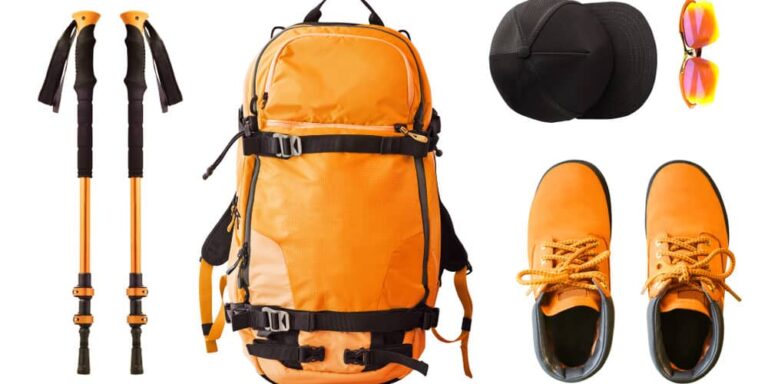
- Layered Clothing: Base layers (merino wool or synthetic), mid-layers (fleece), and an outer waterproof/windproof shell.
- Hiking Boots: Well broken-in, waterproof, and supportive.
- Warm Hat and Gloves: Essential for summit night.
- Sun Protection: High SPF sunscreen, sunglasses, and a wide-brimmed hat.
- Headlamp: With extra batteries.
- Water Bottles/Hydration Pack: At least 2-3 liters capacity.
- Sleeping Bag: Rated for cold temperatures (0°F/-18°C is recommended).
- Trekking Poles: Highly recommended to reduce strain on knees.
Top Guide Adventures provides comprehensive gear lists to all our clients planning their 2026-2027 climbs.
Safety First: Altitude Sickness and Teenagers
Altitude sickness (Acute Mountain Sickness – AMS) is the primary concern on Kilimanjaro. While teenagers can sometimes acclimatize better than adults, they are not immune. It’s vital to be aware of the symptoms and the best practices for prevention and management.
Symptoms of Altitude Sickness
Common symptoms include:
- Headache
- Nausea and vomiting
- Dizziness or lightheadedness
- Fatigue
Check Availability for Best Kilimanjaro Route For Teenagers 2026-2027
Ready to compare dates, prices, and the best option for your group? Send the package name and travel month so the team can reply with a clear quote, availability, and what is included.
Reasons Climbers Regret Choosing A Short Kilimanjaro Route | Top Guide
Many Kilimanjaro climbers opt for shorter routes to save time or money, only to later regret their decision. This article details the common pitfalls of short routes, focusing on...
View package details
Kilimanjaro Route-Selection Mistakes 2026-2027
Kilimanjaro Route-Selection Mistakes is explained with current 2026-2027 planning, price, itinerary and booking information.
View package detailsBest Kilimanjaro Route For Climbers Over 60: Expert Guide 2026-2027
Choosing the right Kilimanjaro route is crucial for climbers over 60. This guide details the best options, focusing on acclimatization, duration, and success rates to help you plan your...
View package details
Kilimanjaro Packing List For Teenagers: Expert Guide Climbs 2026-2027
A comprehensive Kilimanjaro packing list tailored for teenage climbers, covering essential gear, clothing layers, footwear, and personal items for a successful 2026-2027 ascent. Expert tips...
View package details
Kilimanjaro Climbing Package For Parents And Teenagers 2026-2027
Kilimanjaro Climbing Package for Parents and Teenagers is explained with current 2026-2027 planning, price, itinerary and booking information.
View package details
Kilimanjaro Climb With Materuni Recovery Day 2026-2027
Kilimanjaro Climb with Materuni Recovery Day is explained with current 2026-2027 planning, price, itinerary and booking information.
View package details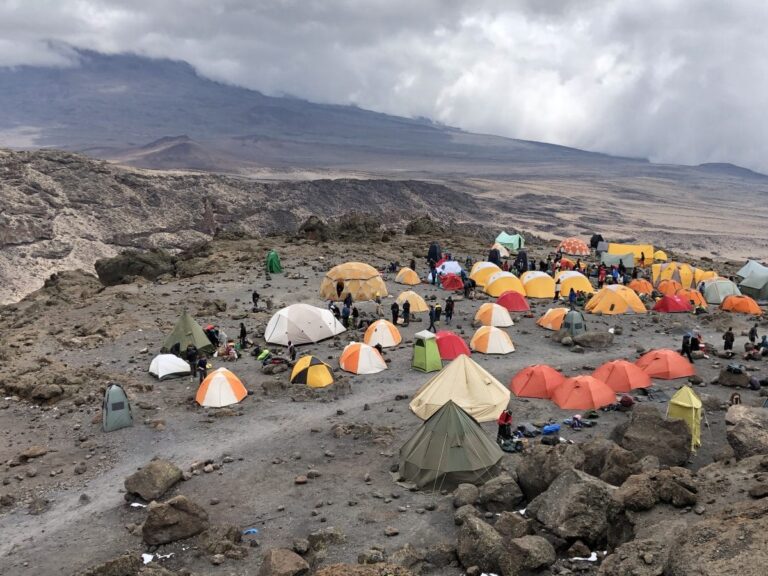
Kilimanjaro Climb With Lake Chala Relaxation Day: Your Ultimate Post-Trek
Experience the ultimate Kilimanjaro adventure followed by serene relaxation at Lake Chala. This guide details how to combine these incredible Tanzanian experiences, covering itineraries...
View package details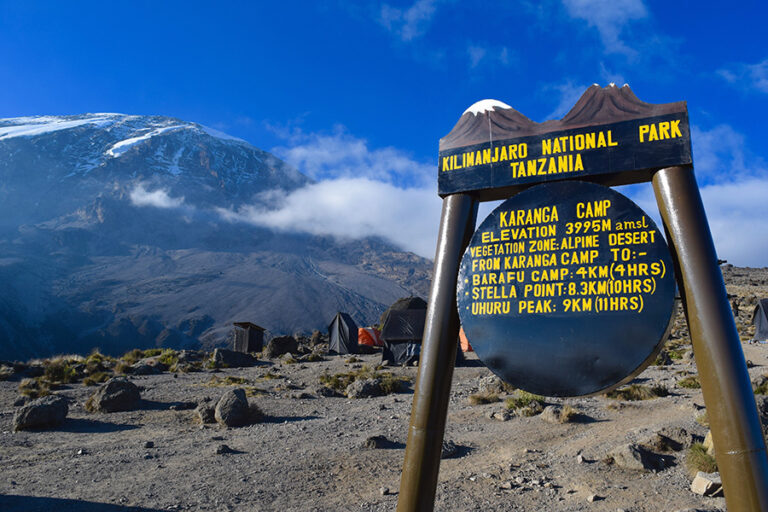
Kilimanjaro Climb & West Safari: The Ultimate Tanzania Adventure 2026-2027
Experience the pinnacle of Tanzania with a combined Kilimanjaro climb and West Kilimanjaro safari. This guide details itineraries, preparation, and what to expect for your 2026-2027...
View package detailsKilimanjaro Climb With Mkomazi Rhino Safari 2026-2027
Kilimanjaro Climb with Mkomazi Rhino Safari is explained with current 2026-2027 planning, price, itinerary and booking information.
View package details
Kilimanjaro Climb With Amboseli Safari Extension: Your Ultimate Tanzania
Experience the pinnacle of African adventure by combining a challenging Kilimanjaro climb with a impressive safari in Amboseli National Park. This guide details itineraries, costs, best...
View package details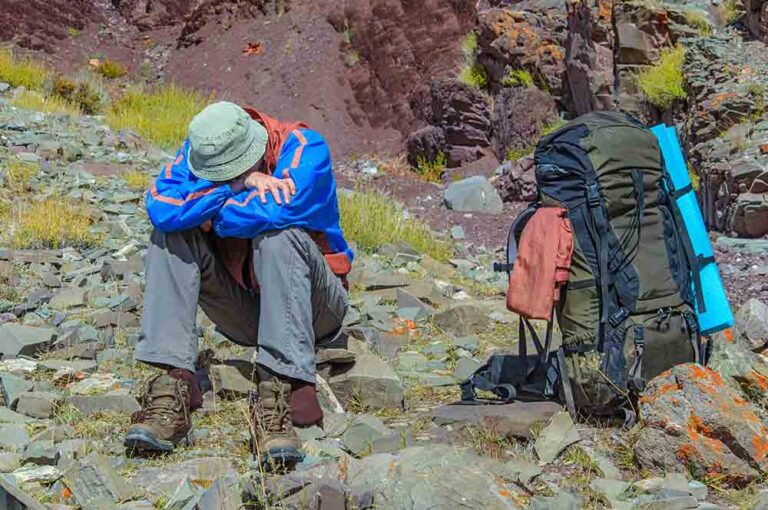
21-Day Kilimanjaro And Complete Tanzania Holiday: Your Ultimate Adventure
This comprehensive 21-day itinerary offers the ultimate Tanzanian adventure, merging the challenge of climbing Mount Kilimanjaro with the wildlife wonders of its famed national parks and...
View package details18-Day Kilimanjaro And Northern Tanzania Grand Adventure: Trek, Safari &
An 18-day itinerary blending Kilimanjaro's summit with Northern Tanzania's wildlife and culture offers a comprehensive African experience. This adventure typically includes a multi-day trek...
View package detailsNo related package matches those filters. Clear one or more filters to see the other topic-matched options.



