
If the Kilimanjaro trail is closed, your climb might be rerouted to an open section, postponed to a later date, or in rare, severe cases, canceled. Such closures are typically due to safety concerns like extreme weather, landslides, or park maintenance. Tour operators like Top Guide Adventures would work with you to find the best alternative, which could involve rescheduling, changing to a different route if available, or discussing refund options. Planning with a flexible and experienced operator is key for any 2026-2027 Kilimanjaro expedition.
Understanding Potential Kilimanjaro Trail Closures
Mount Kilimanjaro, a UNESCO World Heritage site and Africa’s highest peak, is a dream destination for trekkers worldwide. Its allure lies not just in its majestic presence but in the challenge and reward of reaching Uhuru Peak. However, like any natural environment, Kilimanjaro is subject to factors that can necessitate temporary or prolonged trail closures. As you plan your adventure for 2026 or 2027, understanding what happens if the Kilimanjaro trail is closed is essential for preparedness and peace of mind.
Closures are not a common occurrence, but when they do happen, they are for critical reasons centered around the safety and preservation of trekkers and the mountain itself. These reasons can range from the predictable impacts of weather to unforeseen natural events. Being aware of these possibilities allows for better planning and reduces potential disappointment.
Why Might Kilimanjaro Trails Be Closed?
The Tanzania National Parks Authority (TANAPA), which manages Kilimanjaro National Park, has the ultimate authority to close sections or the entire mountain. The primary drivers for such decisions are:
- Extreme Weather Conditions: Kilimanjaro’s summit experiences harsh weather, including heavy snow, ice, high winds, and thunderstorms, especially during the rainy seasons (typically March-May and November). If conditions become dangerously severe, certain paths or the summit area itself may be temporarily closed to prevent accidents.
- Landslides and Rockfalls: Heavy rainfall can destabilize slopes, leading to landslides or rockfalls, particularly on steeper sections of certain routes. These events pose a significant risk to climbers and porters.
- Wildfires: Although rare, wildfires can occur, especially in the montane forest zone. If a fire threatens the trails or poses a smoke hazard, closures are implemented.
- Path Maintenance and Infrastructure Repairs: TANAPA periodically undertakes essential maintenance on the trails, bridges, and park facilities. While efforts are made to minimize disruption, some sections might need temporary closure for safety during repair work.
- Disease Outbreaks or Health Emergencies: In exceptional circumstances, such as a widespread health crisis, park access might be restricted to protect public health.
- Conservation Efforts: Occasionally, sections might be closed to allow for ecological recovery or to protect sensitive wildlife habitats.
For trekkers planning their expedition in 2026-2027, it’s important to remember that the mountain is a dynamic environment. While operators like Top Guide Adventures monitor conditions closely, official directives from TANAPA are the final word on trail status.
What Are the Immediate Consequences of a Trail Closure?
When a trail closure is announced, the immediate impact depends on whether it affects the entire mountain, specific routes, or particular sections. For trekkers already on the mountain, safety is the paramount concern. For those scheduled to start their climb soon, the plans need swift adaptation.
For Trekkers Already on the Mountain
If a closure occurs while you are ascending, your guide and support team will be the first to receive official notification. Their immediate actions will prioritize your safety:
- Assessment of the Situation: Guides will assess the nature and extent of the closure and its impact on your planned route.
- Alternative Routes or Descent: If a section is closed, your guide will assess if an alternative path can safely lead you to the summit or if an immediate descent is necessary. This decision is always made with your well-being as the top priority.
- Communication with Park Authorities: Your guide will maintain constant communication with park rangers and TANAPA officials for the latest updates and instructions.
- Shelter and Support: If a descent is required, the team will ensure you are safely guided down to a point where further arrangements can be made.
The experience can be disheartening, but the professionalism of experienced guides and tour operators ensures that these situations are handled with utmost care.
For Trekkers Scheduled to Start Their Climb
If a closure affects your planned start date or route, your tour operator will be your primary point of contact. This is where the expertise of companies like Top Guide Adventures becomes invaluable.
- Notification and Information: You will be promptly informed about the closure and its implications for your trek.
- Rescheduling Options: The most common solution is to reschedule your climb. Depending on availability and your travel plans, this could mean shifting your start date by a few days or weeks.
- Route Adjustments: If the closure affects only a specific route, and other routes remain open, you might be offered the option to switch to an alternative Kilimanjaro route.
- Refunds or Credits: In situations where rescheduling or rerouting is not feasible, or if the closure is prolonged, tour operators will discuss refund policies or offer credits for future travel.
The key is proactive communication and a flexible approach. Planning for 2026 or 2027 treks requires building in some buffer time if possible.
Alternative Kilimanjaro Routes and Trekking Options
Kilimanjaro offers several distinct trekking routes, each with its own characteristics, difficulty, and scenery. If your chosen route becomes unavailable due to a closure, understanding the alternatives is crucial. This knowledge empowers you to make informed decisions in a potentially stressful situation.
The availability of alternative routes depends entirely on which specific sections of the mountain are affected. A closure on one route does not necessarily mean the entire mountain is off-limits.
Major Kilimanjaro Routes and Their Potential Alternatives
Here’s a look at the most popular routes and what might be considered if one is temporarily inaccessible:
| Primary Route | Typical Duration | Scenery & Difficulty | Potential Alternatives if Closed |
|---|---|---|---|
| Machame Route | 6-7 days | Popular, scenic, challenging “Whiskey Route”, high success rate due to acclimatization. | If Machame’s lower sections are affected, Shira or Lemosho might be considered, or vice-versa. If the summit path from Barafu Camp is closed, a switch to the Crater Camp route (if open) might be an option, though highly unlikely to be the sole alternative. |
| Lemosho Route | 7-8 days | Longer, more remote, stunning views, excellent acclimatization, often considered the most beautiful. | If Lemosho’s western approach is impacted, Shira or Machame could be alternatives. If the summit access from Kosovo Camp is closed, other routes’ summit access points would be assessed. |
| Marangu Route | 5-6 days | “Coca-Cola” route, gentler slopes, accommodation in huts, less scenic, lower acclimatization. | If Marangu’s lower sections are closed, it might be difficult to find a direct alternative that uses huts. Trekkers might be offered a hut-tent combination on another route or a full tented experience on Machame or Shira. |
| Rongai Route | 6-7 days | Approaches from the north, drier, less crowded, good wildlife spotting potential in lower sections. | If Rongai’s northern access is closed, trekkers might be offered Machame or Lemosho for a different perspective, or potentially Marangu if hut accommodation is preferred and available. |
| Northern Circuit | 9-10 days | Longest, highest acclimatization, most scenic, circles the mountain, highest success rate. | Given its length and remote nature, a closure on the Northern Circuit would likely lead to a significant itinerary change. Options could include Lemosho or Machame, or potentially rescheduling if the closure is extensive. |
| Umbwe Route | 5-6 days | Steepest, most direct, very challenging, lowest success rate, requires excellent fitness and acclimatization. | Umbwe is rarely recommended as a first choice. If it were closed, trekkers would likely be advised to switch to Machame or Lemosho for a better chance of success and safety. |
Factors Influencing Alternative Route Choices
When a route closure necessitates a change, several factors come into play:
- Nature of the Closure: Is it a specific section, an entire route, or the summit path? A partial closure might allow a modified itinerary on the same route.
- Time of Year (2026-2027): Weather patterns vary. Some routes might be more exposed or susceptible to certain conditions at different times of the year.
- Your Fitness and Acclimatization: Switching to a significantly more challenging route requires careful consideration of your physical condition.
- Operator’s Logistics and Availability: Your tour operator must have the capacity to support you on an alternative route, including guides, porters, equipment, and permits.
- Park Regulations: TANAPA dictates which routes are open and accessible.
Choosing an operator with a strong local presence and deep knowledge of Kilimanjaro’s terrain and regulations, like Top Guide Adventures, is critical. They can swiftly assess the best available options for your 2026 or 2027 climb.
The Role of Tour Operators in Trail Closures
Your experience during a Kilimanjaro trail closure hinges significantly on the tour operator you choose. Reputable companies have established protocols and strong relationships with park authorities to manage such unforeseen circumstances effectively. For trekkers planning their 2026-2027 expeditions, understanding this role is paramount.
Pre-Climb Planning and Communication
Even before you set foot on the mountain, good operators are proactive:
- Monitoring Conditions: They continuously monitor weather forecasts and park announcements regarding trail conditions.
- Contingency Planning: Experienced operators have pre-defined contingency plans for various closure scenarios, including alternative routes and logistical arrangements.
- Transparent Communication: They ensure clients are informed about potential risks and the company’s protocols for dealing with them during the booking process and leading up to the trek.
On-the-Ground Support During a Closure
If a closure occurs during your trek, or just before it begins:
- Immediate Information Dissemination: You will receive timely and accurate information from your guide and the operations team.
- Decision Making: Guides on the mountain, in consultation with the operations manager and park rangers, will make critical decisions regarding your safety and itinerary.
- Logistical Re-arrangements: If a route change or rescheduling is necessary, the operator handles all the complex logistics, including permits, park fees, accommodation, and transportation.
- Customer Care: They provide ongoing support and reassurance, managing the emotional and practical aspects of the disruption.
Top Guide Adventures prides itself on its experienced team and robust operational framework, designed to navigate challenges like trail closures smoothly. Our commitment is to ensure your Kilimanjaro dream is realized safely, even when faced with the unexpected. This dedication is crucial for planning successful 2026-2027 climbs.
Choosing the Right Operator for 2026-2027 Treks
When selecting a tour operator for your Kilimanjaro climb, especially for 2026 or 2027, consider these points related to handling closures:
- Reputation and Experience: Look for operators with a long history of successful climbs and positive client testimonials regarding their handling of emergencies or disruptions. Check reviews on platforms like TripAdvisor.
- Local Knowledge: A deep understanding of Kilimanjaro, its routes, and the local park authorities is vital.
- Flexibility and Responsiveness: The operator’s ability to adapt quickly to changing circumstances is key.
- Clear Policies: Ensure their terms and conditions clearly outline procedures and responsibilities in case of trail closures or other unforeseen events.
- Safety Record: Prioritize operators with an impeccable safety record and well-trained guides.
By partnering with a reliable operator, you significantly mitigate the risks associated with potential Kilimanjaro trail closures.
Preparing for the Unexpected: Your 2026-2027 Kilimanjaro Contingency Plan
While the odds are in your favor that the Kilimanjaro trails will be open and safe for your planned expedition in 2026 or 2027, preparing for the unexpected is a hallmark of smart travel planning. A well-thought-out contingency plan can turn a potential disaster into a manageable situation.
Travel Insurance: Your First Line of Defense
Comprehensive travel insurance is non-negotiable for a Kilimanjaro climb. Ensure your policy specifically covers:
- Trekking at High Altitudes: Many standard policies exclude activities above a certain altitude.
- Trip Cancellation and Interruption: This should cover non-refundable costs if your trip is canceled or cut short due to unforeseen events, including trail closures.
- Medical Evacuation: High-altitude trekking carries inherent medical risks. Ensure you have coverage for emergency evacuation from the mountain and subsequent medical treatment.
- Delayed Departures: If you need to reschedule your flight due to a climb delay or cancellation.
Always read the fine print to understand the specific conditions and exclusions related to high-altitude trekking and cancellations. Verify that your policy covers situations arising from official park closures.
Flexibility in Your Travel Dates
If your schedule allows, building some flexibility into your travel dates can be incredibly beneficial:
- Buffer Days: Arriving a few days earlier in Tanzania than your scheduled climb start date allows for potential delays in flights or initial acclimatization in Moshi.
- Postponement Window: Having the ability to postpone your climb by a few days or a week can be a lifesaver if a short-term closure occurs just before your departure.
- Alternative Travel Plans: Consider if you can extend your stay in Tanzania to accommodate a rescheduled climb, perhaps exploring Zanzibar or a safari if your trek is postponed.
Discussing potential date flexibility with your tour operator early in the planning process for your 2026-2027 trip is highly recommended.
Understanding Operator Policies
Before booking, thoroughly review the cancellation and refund policies of your chosen tour operator. Pay close attention to clauses related to:
- Force Majeure Events: This often covers events beyond human control, such as natural disasters or government actions, which could include trail closures.
- Rescheduling Due to Closures: How does the operator handle rescheduling if a trail is closed? Are there additional fees?
- Refunds for Canceled Treks: What portion of your payment is refundable if the trek cannot proceed due to a closure?
Companies like Top Guide Adventures are transparent about their policies. We aim to provide fair solutions that balance client needs with operational realities. Contact us via WhatsApp +255616946642 or email topguideadventures@gmail.com to discuss your specific concerns for 2026-2027.
Packing Smart for All Scenarios
While not directly related to closures, being prepared for the mountain’s conditions is always crucial. Pack appropriate gear for varying weather, as conditions can change rapidly even without a closure. This includes waterproofs, warm layers, sun protection, and sturdy hiking boots. Your operator should provide a detailed packing list.
What if the Entire Mountain is Closed?
This is the rarest scenario, typically reserved for extreme national emergencies or prolonged, severe environmental threats. If the entire Kilimanjaro National Park were to be closed:
- Complete Halt to Treks: No climbing would be permitted.
- Government Mandate: Such a closure would be a directive from the Tanzanian government and TANAPA.
- Operator’s Response: Tour operators would be legally bound to cease all operations on the mountain.
- Full Rescheduling or Refunds: In such a drastic situation, the focus would be entirely on offering clients the option to reschedule their trip for a future date (when the mountain reopens) or providing full refunds for all payments made towards the climb.
While highly improbable, especially for planned treks in 2026 or 2027, understanding this extreme possibility reinforces the importance of robust insurance and flexible booking arrangements with your tour operator.
Comparing Routes: Which is Least Likely to Close?
While no route is entirely immune to closures, some factors might make certain routes more resilient or less prone to disruption. This is a nuanced consideration for trekkers planning their 2026-2027 expeditions.
It’s important to reiterate that TANAPA’s decisions are based on safety and conservation, not on the popularity or infrastructure of a specific route. However, we can infer potential resilience based on:
- Lower Altitude Sections: Routes that spend more time in the montane forest or heather zones might be less affected by summit weather conditions. However, these lower sections can be prone to landslides during heavy rains.
- Exposure to Elements: Routes with more exposed sections might be closed more readily during high winds or heavy snow/ice events at higher altitudes.
- Ranger Presence and Monitoring: Routes with more frequent ranger patrols and monitoring might be quicker to close if issues arise, but also quicker to reopen once safe.
General Considerations:
- Marangu Route: Its lower overall altitude gain and the presence of huts might offer some advantages in very specific, short-term weather events, but its directness also means less acclimatization time, potentially leading to other issues.
- Rongai Route: Approaching from the north, it can be drier, potentially less affected by certain types of heavy rainfall that impact southern routes. However, its access road and lower sections could still be affected by extreme weather.
- Northern Circuit: Being the longest route, it offers superior acclimatization, potentially reducing altitude-related issues. However, its extended duration means more exposure to varying conditions across different mountain zones. Its vastness might also mean some sections could be closed while others remain open.
Ultimately, the decision to close a trail rests with park authorities, and their primary concern is safety. Relying on a route being inherently “safer” from closure is not a reliable strategy. Instead, focus on choosing a reputable operator like Top Guide Adventures, who are equipped to handle any situation for your 2026-2027 climb.
Impact on Expedition Costs and Fees
A trail closure can have financial implications, both for the trekker and the tour operator. Understanding these potential costs is part of comprehensive planning for 2026-2027 expeditions.
Park Fees and Permits
Kilimanjaro National Park fees and climbing permits are typically paid in advance and are generally non-refundable once issued. If a trek is canceled due to a closure:
- Operator’s Role: Reputable operators will liaise with TANAPA to see if permits can be transferred or if any portion is refundable, though this is uncommon for park fees.
- Future Use: In some cases, TANAPA might allow permits to be used for a rescheduled climb within a specified period, but this depends on their policy at the time.
Tour Operator Costs
Tour operators incur significant upfront costs, including:
- Guide and porter salaries
- Equipment purchase and maintenance
- Vehicle and transportation costs
- Food supplies
- Permit and park fee procurement
If a trek is canceled or significantly postponed due to a closure, the operator might absorb some costs, while others might be passed on or accounted for through rescheduling policies. This is why understanding the operator’s cancellation policy is crucial.
Additional Expenses for Trekkers
If you need to reschedule your climb:
- Flight Change Fees: Airlines may charge fees to change your flight dates.
- Accommodation: Additional nights in Moshi or Arusha may be required.
- Extended Visa: If your visa is nearing expiry.
- Lost Income: If you had to take specific leave from work.
This highlights the importance of comprehensive travel insurance that covers trip interruption and cancellation.
Maximizing Your Chances of a Successful Climb in 2026-2027
While we’ve discussed what happens if the Kilimanjaro trail is closed, the primary goal is always a successful and safe ascent. Here’s how to maximize your chances:
- Choose the Right Season: The driest and clearest months are typically January-March and June-October. Planning your 2026-2027 trek during these periods reduces the risk of weather-related closures.
- Select a Longer Route: Routes of 7 days or more (like Lemosho, Shira, or Northern Circuit) offer better acclimatization, significantly increasing your success rate and reducing the risk of altitude sickness, which can force a descent regardless of trail status.
- Book with an Experienced Operator: As repeatedly emphasized, a reputable operator like Top Guide Adventures (contact info@topguideadventures.com) is your best ally in navigating any challenges, including potential closures.
- Train Adequately: Physical preparation is key. Focus on cardiovascular fitness, strength training (especially for legs and core), and endurance hiking.
- Listen to Your Guide: Your guide’s expertise is invaluable. Follow their advice regarding pacing, hydration, nutrition, and acclimatization. They are trained to make critical decisions for your safety.
- Pack Appropriately: Ensure you have all the necessary gear for cold, wind, and rain, even if the forecast is clear. Layering is essential.
- Stay Hydrated and Eat Well: Proper hydration and nutrition are crucial for acclimatization and energy levels.
By focusing on these elements, you not only prepare for a successful climb but also build resilience against potential disruptions like trail closures.
Future Outlook for Kilimanjaro Trail Stability (2026-2027)
Looking ahead to 2026 and 2027, the management of Mount Kilimanjaro by TANAPA continues to focus on balancing tourism with conservation and safety. While closures are a possibility, the general trend is towards maintaining accessibility while ensuring the mountain’s long-term health and climber safety.
TANAPA actively works on:
- Trail Maintenance: Regular upkeep of trails to prevent erosion and improve safety.
- Monitoring Systems: Enhanced weather monitoring and ranger patrols to quickly identify and respond to hazards.
- Sustainable Tourism Practices: Encouraging responsible trekking to minimize environmental impact, which indirectly supports trail stability.
- Infrastructure Upgrades: Improving facilities like campsites and rescue points.
These ongoing efforts aim to minimize the frequency and duration of trail closures. However, the unpredictable nature of mountain environments means that preparedness remains essential. For trekkers planning their trips for 2026-2027, staying informed through reliable sources and booking with experienced operators like Top Guide Adventures will ensure the best possible experience, regardless of unforeseen circumstances.
Conclusion: Navigating Kilimanjaro’s Challenges with Confidence
The question, “What happens if the Kilimanjaro trail is closed?” is a valid concern for any prospective climber. While closures are infrequent, understanding the potential causes, consequences, and mitigation strategies is vital for a well-planned expedition, especially when looking at 2026 or 2027 dates. The primary drivers for closures are safety and conservation, leading to rerouting, rescheduling, or, in rare cases, cancellations.
Your best strategy involves selecting a highly reputable and experienced tour operator. Companies like Top Guide Adventures are adept at managing these situations, leveraging their local expertise and established protocols to find the best possible solutions for their clients. Our team is committed to your safety and the realization of your Kilimanjaro dream. We meticulously plan every detail, monitor conditions, and are prepared to adapt should the unexpected occur.
Comprehensive travel insurance, flexibility in your plans, and a thorough understanding of your operator’s policies are your key tools for navigating potential disruptions. By preparing thoroughly and partnering with trusted professionals, you can approach your 2026-2027 Kilimanjaro adventure with confidence, knowing that even if faced with a trail closure, you have a solid plan in place.
Ready to plan your Kilimanjaro climb for 2026 or 2027? Don’t let the possibility of a trail closure deter you. Let Top Guide Adventures handle the complexities. Contact us today for a personalized itinerary and expert advice:
- WhatsApp: +255616946642
- Email: topguideadventures@gmail.com
- Backup Email: info@topguideadventures.com
- Website: www.topguideadventures.com
We look forward to helping you conquer Kilimanjaro safely and memorably.
“,
“faq_schema”: [
{
“question”: “What are the main reasons Kilimanjaro trails might be closed?”,
“answer”: “Kilimanjaro trails can be closed primarily due to extreme weather (heavy snow, ice, high winds, thunderstorms), natural hazards like landslides or rockfalls, wildfires, essential park maintenance, or in rare cases, health emergencies or conservation efforts. These decisions are made by TANAPA to ensure climber safety and protect the mountain environment.”
},
{
“question”: “What happens if my Kilimanjaro trek is affected by a trail closure?”,
“answer”: “If your Kilimanjaro trail is closed, your tour operator will work with you to find the best solution. This typically involves rescheduling your climb to a later date, offering an alternative open route if feasible, or discussing refund options. If you are already on the mountain, your guide will prioritize your safety, potentially rerouting or descending.”
},
{
“question”: “Are there alternative routes if my chosen Kilimanjaro trail is closed?”,
“answer”: “Yes, Kilimanjaro has several routes (Machame, Lemosho, Marangu, Rongai, Northern Circuit, Umbwe). If one route or section is closed, depending on the extent of the closure and park regulations, you might be able to switch to another open route. The feasibility depends on which specific part of the mountain is affected and your operator’s logistical capabilities.”
},
{
“question”: “How can I prepare for a potential Kilimanjaro trail closure for my 2026-2027 climb?”,
“answer”: “To prepare for potential closures in 2026-2027, ensure you have comprehensive travel insurance that covers trip cancellation and interruption. Book with a reputable operator like Top Guide Adventures who have contingency plans and clear policies. Consider building flexibility into your travel dates if possible.”
},
{
“question”: “Is it possible for the entire Mount Kilimanjaro to be closed?”,
“answer”: “While extremely rare, the entire Mount Kilimanjaro National Park could be closed by the Tanzanian government and TANAPA in cases of severe national emergencies or widespread, prolonged environmental threats. In such an event, all treks would be halted, and clients would typically be offered full rescheduling or refunds.”
}
]
}
“`
Check Availability for What Happens If The Kilimanjaro Trail Is Closed? 2026-2027
Ready to compare dates, prices, and the best option for your group? Send the package name and travel month so the team can reply with a clear quote, availability, and what is included.
What Happens If You Miss Your Kilimanjaro Departure? Guide
If you miss your scheduled Kilimanjaro departure, your trek may be cancelled, and you could forfeit your deposit and payments. Rebooking is often possible but incurs additional costs and...
View package details
What Happens If Your Hiking Boots Break On Kilimanjaro? 2026-2027
What Happens If Your Hiking Boots Break on Kilimanjaro? is explained with current 2026-2027 planning, price, itinerary and booking information.
View package details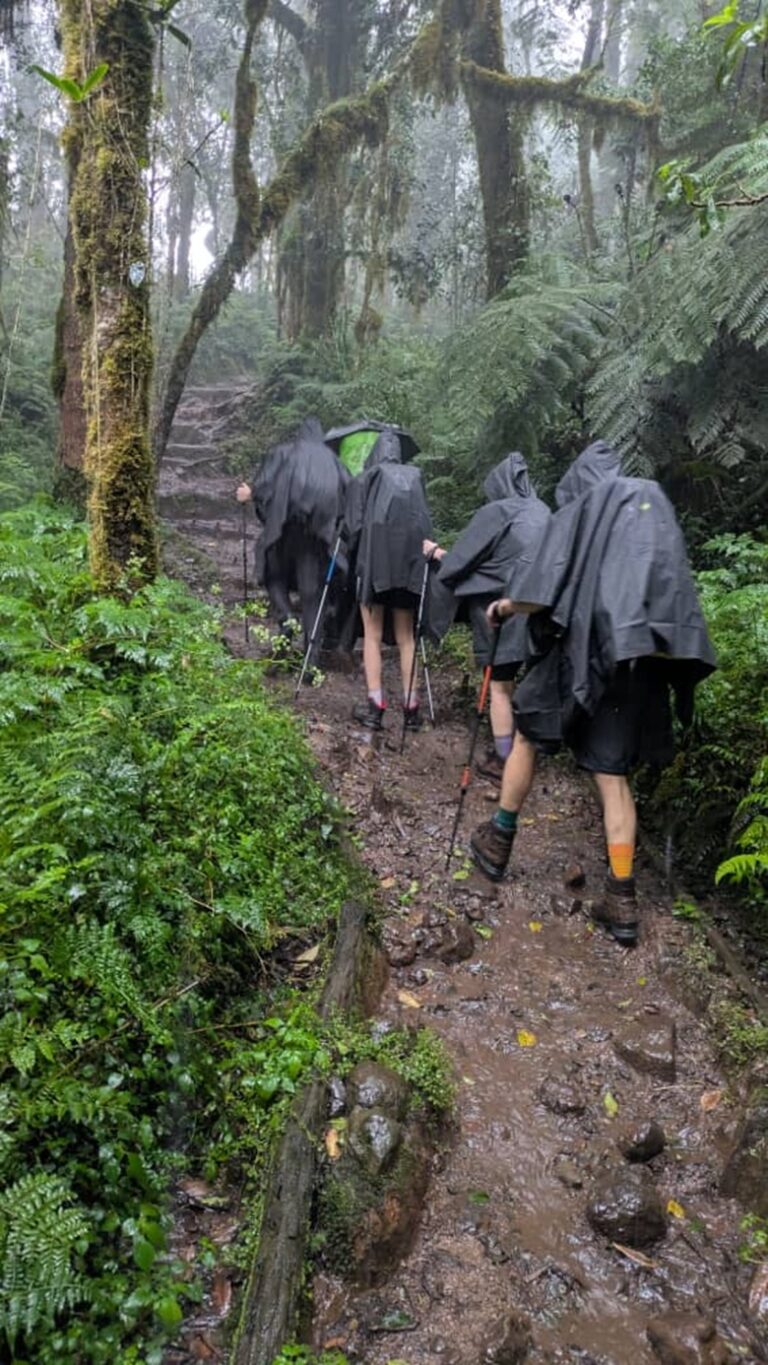
What Happens If You Get Food Poisoning Before Kilimanjaro? 2026-2027
Falling ill with food poisoning just before your Kilimanjaro climb is a serious concern. This guide details what happens, how to prevent it, and crucial steps if you become sick, ensuring...
View package details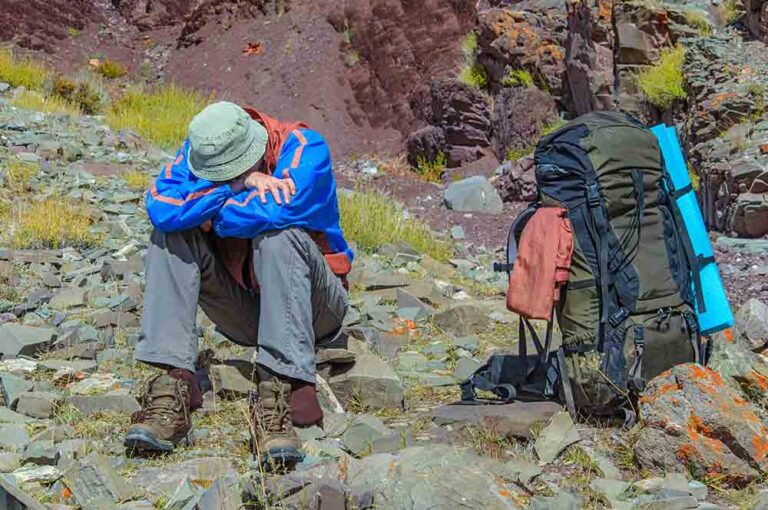
What Happens If It Rains Throughout Your Kilimanjaro Climb? 2026-2027
What Happens If It Rains throughout Your Kilimanjaro Climb? is explained with current 2026-2027 planning, price, itinerary and booking information.
View package details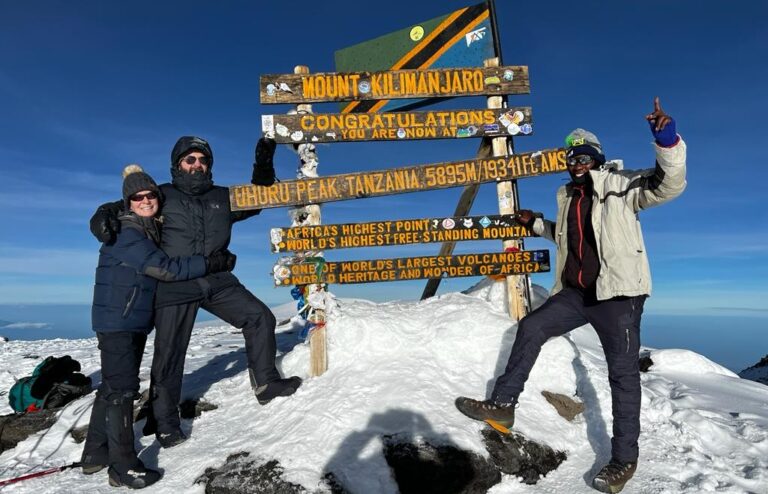
What Happens If Your Kilimanjaro Luggage Is Lost? 2026-2027
What Happens If Your Kilimanjaro Luggage Is Lost? is explained with current 2026-2027 planning, price, itinerary and booking information.
View package details
What Happens If You Cannot Sleep On Kilimanjaro? Expert Advice For Trekkers
Difficulty sleeping on Kilimanjaro is common due to altitude and exertion. This guide explains the physiological reasons, potential impacts, and practical strategies to manage sleep issues...
View package details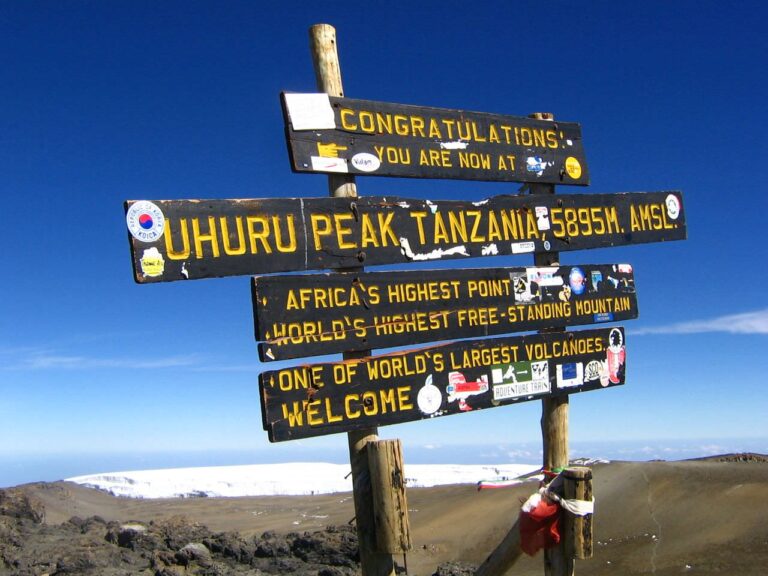
What Does Kilimanjaro Rainforest Look Like? A Trekkers Visual Guide 2026-2027
The Kilimanjaro rainforest is a vibrant, humid zone of dense vegetation, towering trees, and diverse plant life found on the mountain's lower slopes. It's the first major ecosystem trekkers...
View package details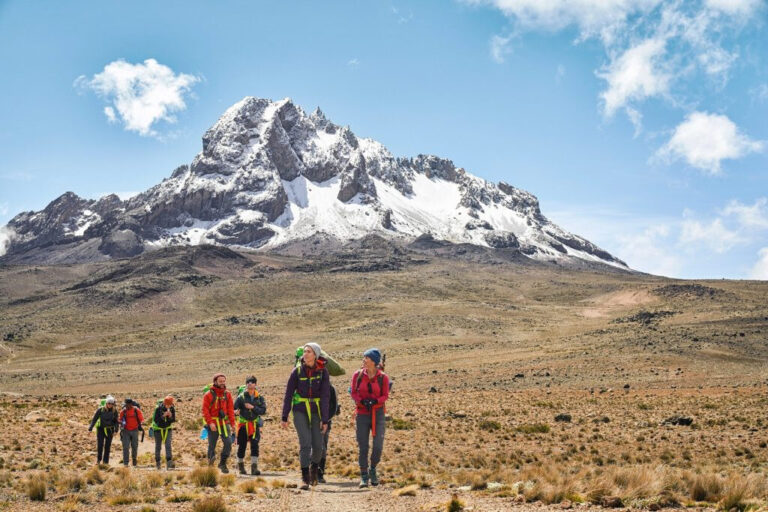
What Animals Live On Mount Kilimanjaro? 2026-2027
What Animals Live on Mount Kilimanjaro? is explained with current 2026-2027 planning, price, itinerary and booking information.
View package details
What Does The View From Uhuru Peak Look Like? Your Ultimate Kilimanjaro
The view from Uhuru Peak, Kilimanjaro's highest point, is a surreal panorama of stark volcanic rock, glacial ice, and an endless sea of clouds stretching below. At dawn, it offers a...
View package detailsWhat Is School Hut Like On Kilimanjaro? 2026-2027
What Is School Hut Like on Kilimanjaro? is explained with current 2026-2027 planning, price, itinerary and booking information.
View package details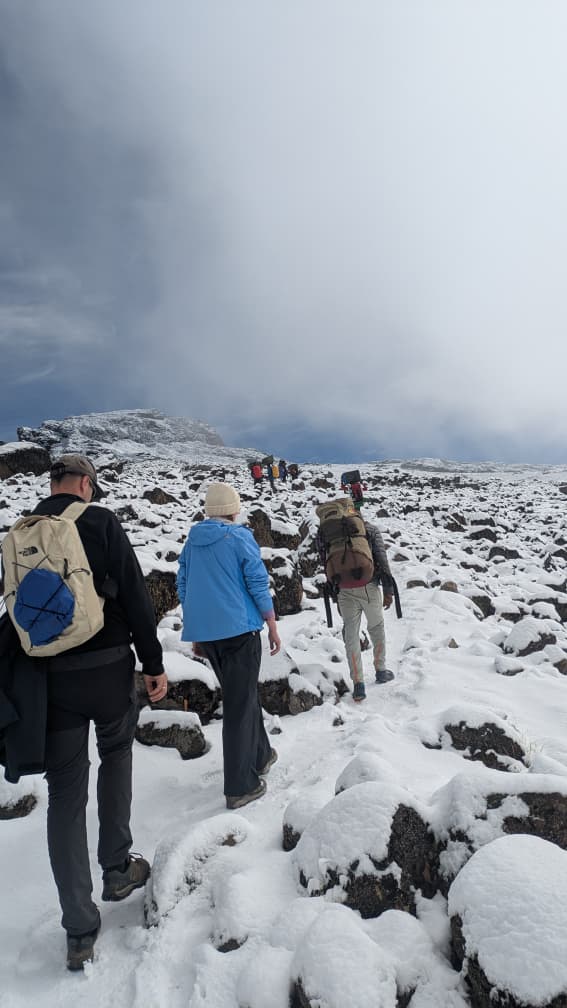
What Is Barafu Camp Like Before Summit Night On Kilimanjaro? 2026-2027
Barafu Camp is the high-altitude staging post on Kilimanjaro, situated just below the summit cone. It's a critical point where climbers rest and prepare for the final ascent to Uhuru Peak...
View package details
What Is It Like To Cross The Shira Plateau On Kilimanjaro? 2026-2027
Crossing the Shira Plateau on Kilimanjaro presents a unique high-altitude experience characterized by open, exposed terrain, dramatic vistas, and significant acclimatization challenges...
View package detailsNo related package matches those filters. Clear one or more filters to see the other topic-matched options.



