
Mount Kilimanjaro supports a variety of animals across its distinct altitudinal zones, ranging from the cultivated lower slopes and rainforest to the alpine desert and summit. While large mammals are rare at higher elevations, climbers can commonly encounter monkeys, various bird species, and smaller mammals in the lower forest regions. As you ascend through the moorland and alpine desert, sightings become less frequent, typically limited to birds and insects adapted to the harsh conditions, with rare glimpses of larger animals like eland or buffalo in specific areas near the base. Planning your climb for 2026 or 2027 means understanding these zones and their inhabitants.
Understanding Kilimanjaro’s Ecosystems and Wildlife Distribution
Mount Kilimanjaro, a UNESCO World Heritage Site, is not just a towering peak; it’s a living mountain with a complex and fascinating ecosystem. Its immense elevation creates distinct climatic zones, each supporting a unique community of flora and fauna. For climbers preparing for an adventure in 2026 or 2027, understanding these zones is key to appreciating the natural world you’ll traverse. The animals of Kilimanjaro are not uniformly distributed; their presence is dictated by altitude, vegetation, water availability, and human activity. From the rich biodiversity of the rainforest to the stark, seemingly barren alpine desert, each zone offers a different perspective on life at extreme altitudes.
The mountain’s structure, with its three volcanic cones – Kibo, Mawenzi, and Shira – influences weather patterns and, consequently, habitat suitability. The southern slopes, receiving more rainfall, tend to be more verdant and thus support more wildlife than the drier northern slopes. Recognizing these variations will enhance your Kilimanjaro experience, turning a physical challenge into a comprehensive natural exploration. Many travelers ask, “What animals live on Mount Kilimanjaro?” and the answer lies in dissecting the mountain’s diverse environmental layers.
The Lower Slopes: Cultivated Lands and Montane Forest Zone
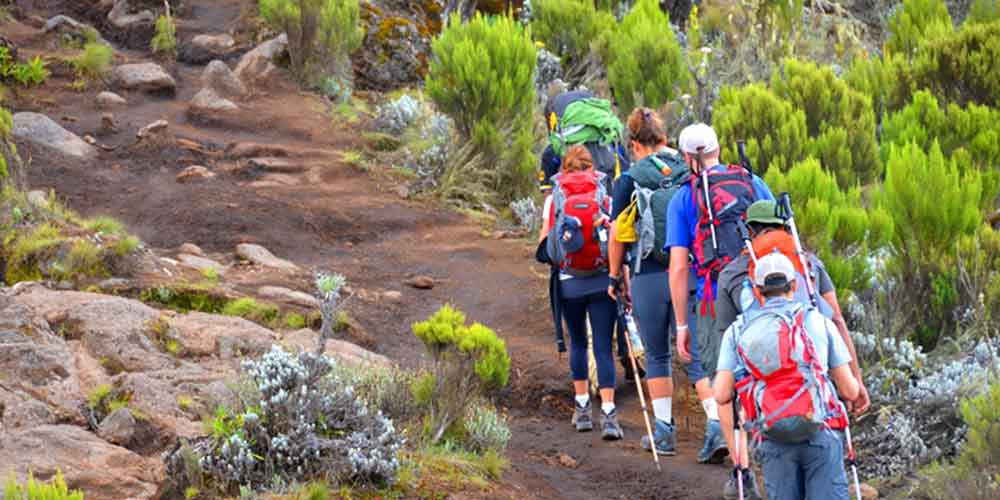
The journey up Kilimanjaro begins in the cultivated foothills, areas inhabited by local communities. Here, you’ll find agricultural land, small villages, and the beginnings of the natural forest. This zone is rich with life, though much of it is influenced by human presence. As you transition into the montane forest, the environment changes dramatically, becoming a lush, humid ecosystem teeming with biodiversity. This is where the majority of Kilimanjaro’s larger mammals and diverse birdlife can be found.
Mammals of the Montane Forest
The most commonly seen mammals in the montane forest zone are primates. The **Blue Monkey (Cercopithecus mitis)** is a frequent sight, often seen in troops moving through the canopy. Their striking blue-grey fur and long tails make them easily identifiable. They are agile climbers, feeding on fruits, leaves, and flowers. Another primate you might encounter is the **Colobus Monkey (Colobus guereza)**. These monkeys are primarily black and white, with long, flowing hair, and are known for their acrobatic leaps between trees. They are herbivores, feeding mainly on leaves.
While less common, larger mammals do inhabit the forest, though sightings are rare for climbers due to their shy nature and the dense vegetation. These include:
- Bushbuck (Tragelaphus scriptus): A small antelope that is primarily nocturnal or crepuscular, meaning they are most active at dawn and dusk. They are solitary and elusive.
- Duiker (Cephalophus spp.): Small antelopes, also shy and often seen alone. There are a few species found in East African forests.
- Leopard (Panthera pardus): While leopards are known to range up Kilimanjaro’s slopes, they are exceptionally elusive and nocturnal. Sightings are exceedingly rare, and most climbers will never see one. They are powerful predators that prey on smaller mammals and birds.
- African Civet (Civettictis civetta): A cat-like mammal, primarily nocturnal and known for its distinctive scent glands.
- Genet (Genetta spp.): Small, slender, nocturnal carnivores resembling weasels, often found in trees.
It’s important to remember that these larger mammals are wary of humans and tend to avoid the trekking paths. Your guides are trained to spot signs of their presence, but direct encounters are uncommon for most trekkers, especially on the well-trodden routes. The experience of seeing monkeys, however, is a common and delightful part of the lower-altitude trekking experience.
Avian Wonders of the Forest Zone
The montane forest is a birdwatcher’s paradise. Kilimanjaro is home to hundreds of bird species, many of which are endemic or specialized to this environment. Even if you’re not an avid birder, you’ll be struck by the vibrant colors and diverse calls. Some of the notable bird species include:
- Turacos: Several species of turacos, such as the Schalow’s Turaco and the White-cheeked Turaco, with their distinctive crests and bright plumage, are often heard before they are seen.
- Hornbills: Various hornbill species, recognizable by their large, often colorful bills, can be spotted foraging in the trees.
- Sunbirds: Tiny, brightly colored birds, often with iridescent plumage, flitting among flowers to feed on nectar. Species like the Variable Sunbird and Northern Double-collared Sunbird are common.
- Bush-shrikes: These birds are known for their loud, distinctive calls.
- Alpine Chat: While more common at higher altitudes, some species can be found at the upper edges of the forest.
- African Paradise Flycatcher: A stunning bird with a long, elegant tail streamer, often seen in the forest clearings.
The sheer variety of birdlife makes the forest zone a dynamic and engaging part of any Kilimanjaro climb. Your guides will often point out interesting species, adding another layer of appreciation for the mountain’s natural heritage. For those planning their 2026 or 2027 climb, consider bringing a small pair of binoculars to enhance your birdwatching opportunities.
Transitioning to the Moorland Zone
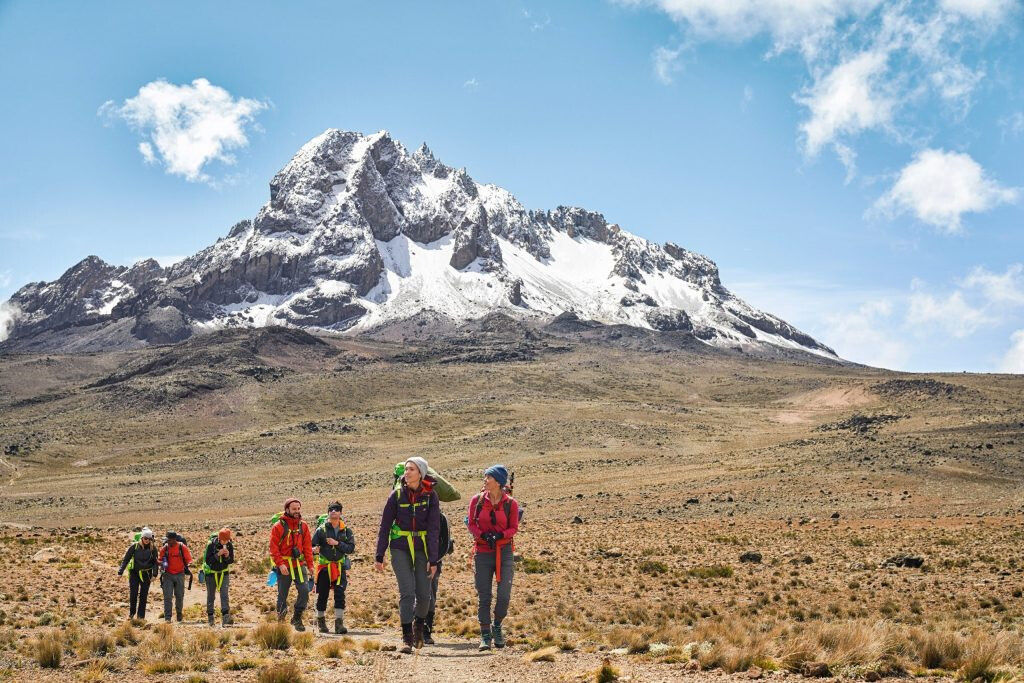
As you ascend beyond the dense forest, typically around 3,000 meters (9,800 feet), the vegetation begins to change. The montane forest gives way to the moorland zone, characterized by open grasslands, heath, and giant senecios and lobelias. This zone is more exposed and experiences colder temperatures and stronger winds. While the dense forest canopy disappears, life persists, adapted to these more challenging conditions.
Wildlife in the Moorland
Large mammals are even scarcer in the moorland zone than in the forest. The vegetation is less dense, and the open spaces make animals more vulnerable. However, some species have adapted to this environment:
- Eland: These are the largest antelopes and are sometimes seen in the moorland zone, particularly on the lower parts of the mountain or in areas with more substantial grass cover. They are known to venture to higher altitudes than most other antelopes.
- Buffalo: Like eland, buffalo can occasionally be found in the moorland, especially in areas with water sources and good grazing. However, they are more common at lower altitudes and are generally elusive.
- Birds: The moorland zone supports its own set of avian residents. The Kibo Weaver and the Alpine Chat are commonly seen here. Raptors like the Augur Buzzard can often be spotted soaring on the thermals. Insects also become more noticeable, especially during warmer periods.
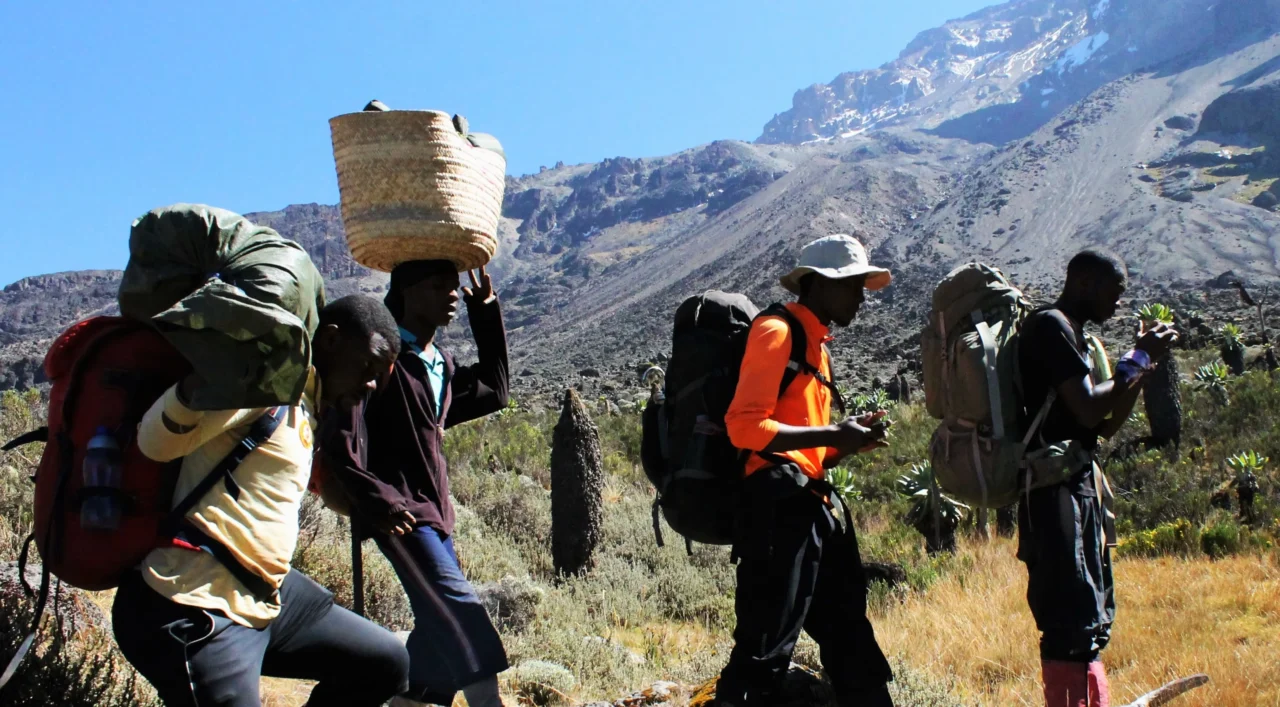
The most striking inhabitants of the moorland are the unique Afro-alpine plants, such as the giant heathers, groundsels (Senecio), and lobelias. While not animals, their presence shapes the habitat and indicates the ecological transition. For climbers in 2026 or 2027, the stark beauty of the moorland, dotted with these bizarre plants and the occasional wildlife sighting, offers a dramatic change in scenery.
The Alpine Desert Zone
Above approximately 4,000 meters (13,000 feet), the moorland gradually fades into the alpine desert. This is a harsh, arid environment with sparse vegetation, resembling a high-altitude desert. Temperatures here can drop significantly below freezing, and the air is thin. Life is sparse but resilient.
Survival in the Alpine Desert
Animal sightings in the alpine desert are rare. The extreme conditions make it difficult for most large animals to survive. However, some creatures are adapted to this desolate landscape:
- Birds: The most common avian resident is the Alpine Chat, a small, hardy bird often seen hopping around the rocky terrain and near campsites. The White-necked Raven is also occasionally seen.
- Insects: Various insects, including beetles and flies, have adapted to survive in this zone, often found sheltering among rocks or dormant during colder periods.
- Rodents: Small rodents, like the Dassie Rat (a type of rock hyrax), are sometimes found in rocky crevices, though they are highly elusive and primarily nocturnal.
The primary inhabitants here are the hardy plants that can withstand the cold and lack of water, such as various mosses, lichens, and small, resilient flowering plants. The lack of abundant food sources and the extreme temperatures limit the presence of larger animals. Even the elusive eland and buffalo are rarely seen this high up.
The Summit Zone: Arctic-Alpine Environment
The summit of Kilimanjaro, encompassing Stella Point, Gilman’s Point, and Uhuru Peak, is an arctic-alpine environment. This is the coldest and most extreme zone, with temperatures often well below freezing, especially at night and during the summit push. Snow and ice are permanent features.
Life at the Top
It might seem impossible for life to exist at this altitude, but even here, life finds a way, though it is extremely limited.
- Birds: The Alpine Chat is sometimes seen even near the summit, a testament to its adaptability.
- Insects: Some hardy insects might be present, likely dormant or sheltering in protected microhabitats.
The primary challenge for any life form at the summit is survival against extreme cold, low oxygen, and lack of sustenance. Most climbers focus on the physical and mental challenge of reaching the summit, and wildlife is not a primary consideration at these altitudes. However, the knowledge that even a few species manage to exist here adds to the wonder of Kilimanjaro.
Specific Animal Encounters by Route
While the general distribution of wildlife is consistent across Kilimanjaro, the specific routes can offer slightly different viewing opportunities. The longer routes, which traverse more diverse habitats, generally offer a higher chance of seeing wildlife, particularly in the lower forest sections.
Marangu Route (Coca-Cola Route)
The Marangu route is known for its gradual ascent through the montane forest. Climbers on this route are likely to see Blue Monkeys and Colobus Monkeys, especially on the first day or two. Birdlife is also abundant in the forest sections. As the route ascends, wildlife sightings decrease significantly.
Moshi Machame Route (Whiskey Route)
The Machame route is one of the most popular and scenic. It starts in a dense rainforest, offering excellent opportunities for monkey sightings and birdwatching. The path winds through the forest, providing close encounters with the lush vegetation and its inhabitants. As with other routes, sightings diminish dramatically as altitude increases.
Moshi Lemosho Route
The Lemosho route is renowned for its scenic beauty and high success rates. It passes through pristine rainforest, offering some of the best chances for wildlife viewing in the lower sections. The longer duration of the Lemosho route allows more time to appreciate the forest environment and its animals.
Moshi Shira Route
Similar to Lemosho, the Shira route begins in the forest and offers good wildlife viewing opportunities in its initial stages. Its higher starting point means less time in the densest forest compared to Lemosho or Machame, but monkeys and birds are still commonly observed.
Moshi Rongai Route
The Rongai route approaches Kilimanjaro from the north, which is a drier side of the mountain. While it still passes through forest, the density and diversity of wildlife might be slightly less compared to the southern routes. However, monkeys and birds are still present, especially in the lower reaches.
Moshi Northern Circuit and Umbwe Route
The Northern Circuit, being the longest route, offers more time in diverse habitats, including the lower forests. The Umbwe route is the shortest and steepest, passing through dense forest but offering less time to observe wildlife due to its rapid ascent.
Regardless of the route chosen for your 2026 or 2027 climb, the lower forest zone is where you will have the most frequent and varied animal encounters.
Conservation Efforts and Wildlife Protection on Kilimanjaro
Mount Kilimanjaro National Park is a protected area, and conservation efforts are crucial for maintaining its unique biodiversity. The park authorities and various conservation organizations work to protect the mountain’s ecosystems and wildlife from threats such as poaching, habitat degradation, and climate change. For climbers, responsible tourism is paramount.
Responsible Climbing Practices
When you climb Kilimanjaro with Top Guide Adventures in 2026 or 2027, you are supporting a company committed to responsible tourism. Here are some ways climbers can help:
- Do not feed the animals: Feeding wildlife can alter their natural behavior, make them dependent on humans, and potentially expose them to diseases.
- Do not litter: Pack out everything you pack in. Litter not only spoils the natural beauty but can also harm wildlife that might ingest it or become entangled in it.
- Stay on designated paths: This helps minimize habitat disturbance and erosion.
- Avoid disturbing wildlife: Observe animals from a distance and never approach them. Use binoculars or zoom lenses for photography.
- Respect the environment: Avoid picking plants or removing anything from the mountain.
By adhering to these guidelines, climbers contribute to the preservation of Kilimanjaro’s natural heritage for future generations and for the animals that call it home.
Preparing for Wildlife Sightings on Your Kilimanjaro Climb
While Kilimanjaro is not a safari destination like the Serengeti or Maasai Mara, the opportunity to see wildlife adds a special dimension to the trek. Here’s how to enhance your chances and what to expect:
Best Times for Wildlife Viewing
Wildlife is present year-round, but visibility can be affected by weather and vegetation. The drier seasons (January-March and June-October) generally offer better visibility as vegetation is less dense, and animals may congregate more around water sources. However, even in the wetter seasons, the forest zone remains lush and full of life.
What to Bring
- Binoculars: A small, lightweight pair of binoculars can significantly enhance your ability to spot birds and monkeys from a distance.
- Camera with Zoom Lens: To capture clear photos without disturbing the animals.
- Field Guide: A small guide to East African mammals and birds can be helpful for identification.
The Role of Your Guides
Your experienced guides from Top Guide Adventures are invaluable when it comes to wildlife spotting. They have a keen eye for movement in the trees and an understanding of animal behavior. They will point out species you might otherwise miss and ensure you observe wildlife safely and responsibly.
When planning your 2026 or 2027 Kilimanjaro adventure, remember that wildlife encounters are a bonus, not a guarantee. The primary focus remains the incredible journey to the summit, but the natural world you pass through is a significant part of the experience.
Animals You Will Likely NOT See on Kilimanjaro
It’s important to manage expectations regarding wildlife sightings. While Kilimanjaro has its unique inhabitants, it is not a place to see the iconic “Big Five” animals commonly associated with African safaris. Many of the larger, more dangerous animals that might technically range up the mountain are extremely elusive and rarely encountered by trekkers.
- Lions, Elephants, Rhinos, Cheetahs: These animals are not found on Mount Kilimanjaro. Their habitat requirements and avoidance of high altitudes mean they are absent from the mountain’s trekking routes.
- Large Predators: While leopards are present, sightings are exceptionally rare. Other large predators are not found here.
- Large Herds: Unlike the savannas, Kilimanjaro does not support large herds of wildebeest or zebras. The grazing areas are limited, and the terrain is not suitable for massive migratory herds.
Focusing on the smaller, more accessible wildlife like monkeys, various bird species, and perhaps an elusive antelope will lead to a more realistic and rewarding experience. The unique Afro-alpine flora and the dramatic landscapes are often the main visual stars, with wildlife providing delightful occasional cameos.
Planning Your 2026-2027 Kilimanjaro Climb with Wildlife in Mind
Choosing the right time of year and the right route can subtly influence your potential for wildlife sightings, though the primary drivers are altitude and habitat. For those particularly interested in the natural world of Kilimanjaro, here are some considerations for your 2026 or 2027 climb:
Route Selection for Wildlife Enthusiasts
As discussed, routes like Lemosho, Machame, and the Northern Circuit offer more time in the montane forest zone, increasing your chances of seeing monkeys and diverse birdlife. These longer routes also allow for a slower acclimatization, which can be beneficial for overall enjoyment and appreciating the surroundings.
Best Seasons for Observation
The drier months (June to October and January to March) generally offer better visibility. Less dense foliage and potentially more concentrated animal activity near remaining water sources can be advantageous. However, wildlife is present year-round, and even during the wetter months, the forest is vibrant.
Booking Your Kilimanjaro Adventure
When booking your 2026 or 2027 Kilimanjaro climb, consider the expertise of your tour operator. Top Guide Adventures prides itself on providing knowledgeable guides who are not only skilled in mountain safety and navigation but also passionate about the natural environment. Our guides can enhance your experience by pointing out wildlife, explaining the unique flora, and ensuring you have a safe and memorable climb.
For group departures and detailed itineraries for 2026 and 2027, explore our group departure dates. If you have specific questions about routes like the Machame route, our Machame Route group departures page provides further information.
Conclusion: A Mountain of Life
Mount Kilimanjaro, while primarily known as a mountaineering challenge, is a vibrant ecosystem supporting a surprising array of life. From the chattering monkeys and colorful birds of the montane forest to the hardy insects and resilient plants of the alpine zones, the mountain’s wildlife is a testament to nature’s adaptability. While large mammals are elusive, the opportunity to witness these creatures, especially in the lower forest regions, adds immeasurable richness to the climbing experience. Planning your 2026 or 2027 ascent with an awareness of the mountain’s biodiversity, choosing a reputable operator like Top Guide Adventures, and practicing responsible tourism will ensure you not only reach the Roof of Africa but also appreciate the living world beneath your feet.
Should you wish to discuss your 2026 or 2027 Kilimanjaro climb and learn more about the wildlife you might encounter, or to plan your perfect Tanzanian adventure, please do not hesitate to contact us. You can reach us via WhatsApp at +255616946642, email us at topguideadventures@gmail.com, or use our backup email info@topguideadventures.com. We are dedicated to providing personal attention, care, and dedicated support for every client’s journey.
“,
“faq_schema”: [
{
“question”: “What is the most common animal seen on Mount Kilimanjaro?”,
“answer”: “The most commonly seen animals on Mount Kilimanjaro are primates, particularly Blue Monkeys and Colobus Monkeys, which inhabit the montane forest zone on the lower slopes. Various bird species are also very frequently observed throughout the lower and middle altitudes.”
},
{
“question”: “Are there elephants or lions on Mount Kilimanjaro?”,
“answer”: “No, elephants and lions are not found on Mount Kilimanjaro. These large mammals require different habitats and are not present on the mountain’s trekking routes. Kilimanjaro is not a safari destination for the ‘Big Five’.”
},
{
“question”: “Can you see leopards on Kilimanjaro?”,
“answer”: “Leopards are known to inhabit the lower slopes of Kilimanjaro, but they are extremely elusive, nocturnal, and rarely seen by climbers. Sightings are exceptionally uncommon.”
},
{
“question”: “What animals live in the alpine desert zone of Kilimanjaro?”,
“answer”: “The alpine desert zone (above 4,000 meters) has very sparse wildlife. The most common sightings are hardy birds like the Alpine Chat and occasionally insects or small rodents like the Dassie Rat in rocky crevices. The environment is too harsh for larger mammals.”
},
{
“question”: “Which Kilimanjaro route offers the best wildlife viewing opportunities?”,
“answer”: “Routes like the Lemosho, Machame, and Northern Circuit, which traverse more extensively through the montane rainforest, generally offer better opportunities to see monkeys and diverse birdlife compared to drier routes like Rongai. However, wildlife sightings are most frequent on the lower sections of any route.”
},
{
“question”: “When is the best time to see animals on Mount Kilimanjaro?”,
“answer”: “Wildlife is present year-round, but the drier seasons (June-October and January-March) may offer slightly better visibility due to less dense vegetation. However, the forest zone is vibrant in all seasons, and monkeys and birds are commonly seen regardless of the time of year.”
},
{
“question”: “What should I do if I see wildlife on Kilimanjaro?”,
“answer”: “If you encounter wildlife on Mount Kilimanjaro, observe from a distance, do not feed the animals, do not approach them, and stay on the designated paths. Your guides will ensure safe and responsible viewing practices. Using binoculars or a zoom lens is recommended for photography.”
},
{
“question”: “Are there any dangerous animals on Kilimanjaro’s trekking routes?”,
“answer”: “While large predators like leopards exist on the mountain, they are rarely encountered. The primary ‘danger’ from animals on the trekking routes is minimal. It’s more important to be aware of the environmental challenges of altitude and weather. Following your guide’s instructions is crucial for safety.”
},
{
“question”: “What types of birds can be seen on Kilimanjaro?”,
“answer”: “Kilimanjaro boasts a rich birdlife, especially in the montane forest. Common sightings include various species of Turacos, Hornbills, Sunbirds, Bush-shrikes, and the Alpine Chat (at higher altitudes). Raptors like the Augur Buzzard can also be seen.”
}
]
}
“`
Check Availability for What Animals Live On Mount Kilimanjaro? 2026-2027
Ready to compare dates, prices, and the best option for your group? Send the package name and travel month so the team can reply with a clear quote, availability, and what is included.
What A Kilimanjaro Mountain Crew Should Provide For Your Climb 2026-2027
Planning a Kilimanjaro climb? Understand precisely what your mountain crew needs to provide, from essential gear and experienced guides to food, safety, and logistical support. This...
View package details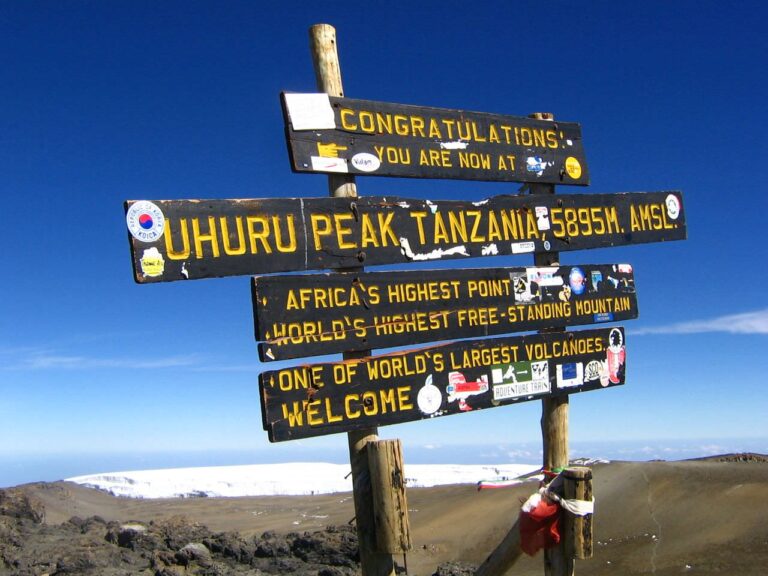
What Does Kilimanjaro Rainforest Look Like? A Trekkers Visual Guide 2026-2027
The Kilimanjaro rainforest is a vibrant, humid zone of dense vegetation, towering trees, and diverse plant life found on the mountain's lower slopes. It's the first major ecosystem trekkers...
View package details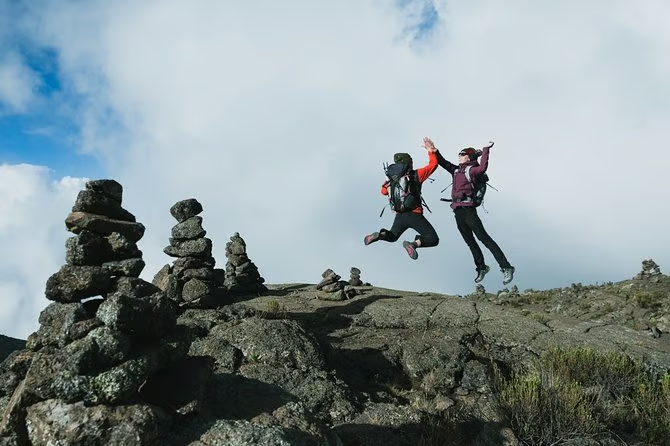
What Does The View From Uhuru Peak Look Like? Your Ultimate Kilimanjaro
The view from Uhuru Peak, Kilimanjaro's highest point, is a surreal panorama of stark volcanic rock, glacial ice, and an endless sea of clouds stretching below. At dawn, it offers a...
View package details
What Is School Hut Like On Kilimanjaro? 2026-2027
What Is School Hut Like on Kilimanjaro? is explained with current 2026-2027 planning, price, itinerary and booking information.
View package details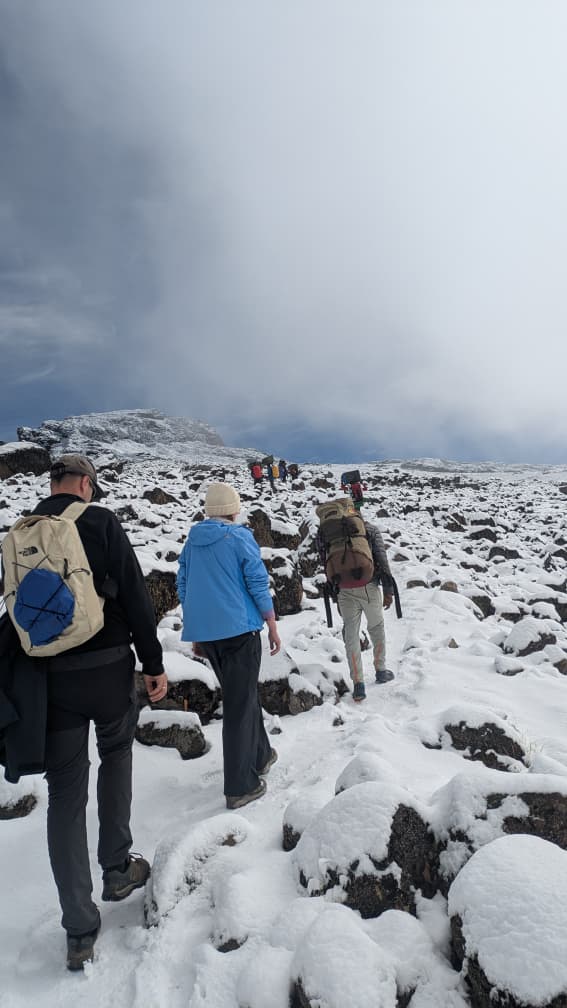
What Is Barafu Camp Like Before Summit Night On Kilimanjaro? 2026-2027
Barafu Camp is the high-altitude staging post on Kilimanjaro, situated just below the summit cone. It's a critical point where climbers rest and prepare for the final ascent to Uhuru Peak...
View package details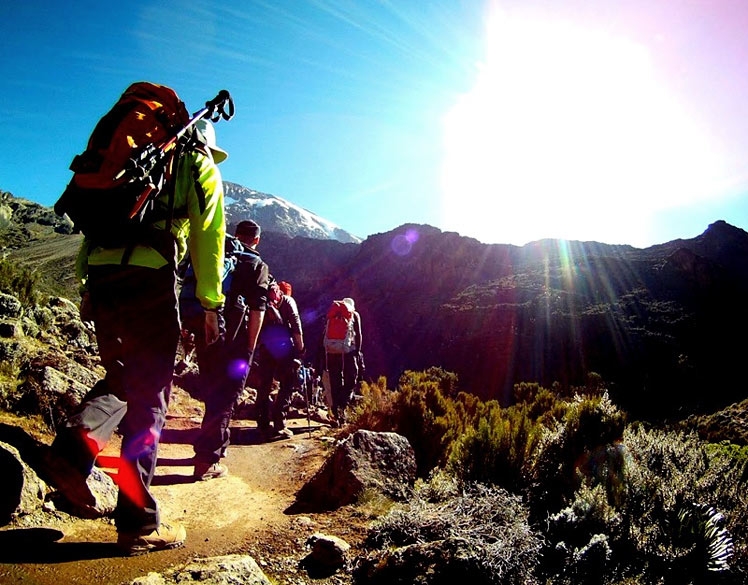
What Is It Like To Cross The Shira Plateau On Kilimanjaro? 2026-2027
Crossing the Shira Plateau on Kilimanjaro presents a unique high-altitude experience characterized by open, exposed terrain, dramatic vistas, and significant acclimatization challenges...
View package details
What Happens If The Kilimanjaro Trail Is Closed? 2026-2027
What Happens If the Kilimanjaro Trail Is Closed? is explained with current 2026-2027 planning, price, itinerary and booking information.
View package details
What Happens If You Miss Your Kilimanjaro Departure? Guide
If you miss your scheduled Kilimanjaro departure, your trek may be cancelled, and you could forfeit your deposit and payments. Rebooking is often possible but incurs additional costs and...
View package details
What Happens If Your Hiking Boots Break On Kilimanjaro? 2026-2027
What Happens If Your Hiking Boots Break on Kilimanjaro? is explained with current 2026-2027 planning, price, itinerary and booking information.
View package details
What Happens If You Get Food Poisoning Before Kilimanjaro? 2026-2027
Falling ill with food poisoning just before your Kilimanjaro climb is a serious concern. This guide details what happens, how to prevent it, and crucial steps if you become sick, ensuring...
View package details
What Happens If It Rains Throughout Your Kilimanjaro Climb? 2026-2027
What Happens If It Rains throughout Your Kilimanjaro Climb? is explained with current 2026-2027 planning, price, itinerary and booking information.
View package details
What Happens If Your Kilimanjaro Luggage Is Lost? 2026-2027
What Happens If Your Kilimanjaro Luggage Is Lost? is explained with current 2026-2027 planning, price, itinerary and booking information.
View package detailsNo related package matches those filters. Clear one or more filters to see the other topic-matched options.



